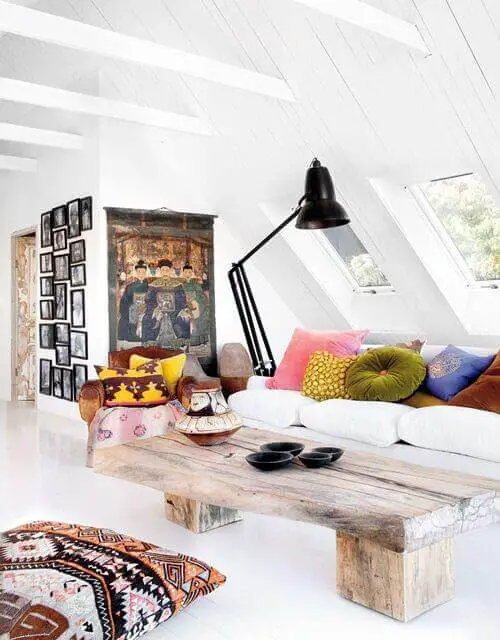
Attic spaces offer so much untapped potential in many homes. With a bit of creativity, you can transform these often-forgotten areas into beautiful, functional rooms that add value to your living space. Converting an attic into a usable room gives you extra square footage without the cost of a full addition to your home.
Looking up at those sloped ceilings might seem challenging at first, but attics actually present unique design opportunities. The angled walls and cozy feel make them perfect for bedrooms, home offices, or relaxing retreats. Natural light from dormer windows can brighten these spaces, while the separation from the rest of your house offers a quiet getaway feeling.
Whether you dream of a luxurious bathroom with a claw-foot tub nestled under a window or a charming guest bedroom with exposed beams, your attic can become one of the most loved spaces in your home. The top floor gives you freedom to try new color schemes and decorating styles that might not fit with the rest of your house. With the right approach, those awkward angles become part of the charm rather than obstacles to work around.

Getting Started With Attic Design
Transforming your attic into a functional space requires careful planning and thoughtful design. Before diving into decorating, you need to evaluate what you’re working with and understand how to make the most of this unique area.
Assessing Your Attic’s Potential
First, measure your attic’s dimensions to understand what you’re working with. Check the ceiling height – experts recommend at least 84 inches in some areas to ensure comfort. A slope of at least 50% helps prevent that cramped feeling when moving around.
Look at structural elements like beams and rafters. Can they become decorative features? Or will they need to be covered?
Check for existing insulation, electrical outlets, and plumbing access. These factors will influence how you can use the space.
Consider the floor strength too. You might need to reinforce it depending on your plans. A professional inspection can help identify any issues before you start your attic conversion project.
Think about access – is your current entrance adequate? A proper staircase might be needed for a fully converted attic room.
Maximizing Natural Light in Attic Spaces
Attics often lack sufficient natural light, making this a key consideration in your design. Window options include dormer windows, skylights, and roof windows – each bringing different advantages to your space.
Skylights are perfect for flat ceiling sections and bring in overhead light. They can make your attic feel much larger and airier.
Position mirrors strategically to reflect available light throughout the room. This trick works wonders in small or dark spaces.
Choose light paint colors for walls and ceiling. White is popular for attics because it brightens the space and makes it feel more open.
For artificial lighting, layer your approach:
- Ambient lighting for overall illumination
- Task lighting for specific activities
- Accent lighting to highlight architectural features
Light fixtures that attach directly to sloped ceilings work well in attics with limited headroom.
Planning for Safety and Comfort
Temperature control is essential in attic spaces, which can get extremely hot in summer and cold in winter. Proper insulation in walls and ceiling should be your first priority.
Add ventilation systems or ceiling fans to help air circulation. This prevents stuffiness and helps maintain comfortable temperatures.
Consider installing mini-split air conditioning units if your attic gets too warm. These don’t require extensive ductwork and can be ideal for converted attic spaces.
Check local building codes before starting your project. Most areas require:
- Minimum ceiling heights
- Proper egress windows for emergencies
- Smoke detectors
- Appropriate flooring
Soundproofing is another important factor, especially if your attic will be a bedroom or workspace. Add insulation between floor joists to minimize noise transfer.
Think about storage early in your planning. Built-in solutions that use knee walls or eaves make the most of awkward spaces without sacrificing your usable floor area.
Choosing Your Decorating Style
Your attic’s style should reflect your personality while making the most of the unique space. The right decorating approach can transform even the most challenging attic into a stunning retreat that feels cohesive with the rest of your home.
Modern And Minimalist Attic Ideas
Modern attic designs focus on clean lines and uncluttered spaces. This style works especially well in attics with limited square footage. Choose furniture with slim profiles and multi-functional pieces to maximize space.
White walls create an airy feel and make the room appear larger. Add contrast with black accents or metal fixtures for visual interest. Consider built-in storage that follows roof angles to eliminate wasted space.
Lighting is crucial in modern attic designs. Recessed lights work well with sloped ceilings, while track lighting can highlight specific areas. Floor lamps with adjustable heights adapt to different ceiling heights.
For flooring, light wood or laminate options keep the space feeling open. Add a few statement pieces rather than many small decorations to maintain the clean aesthetic you’re after.
Cozy And Rustic Touches
Rustic attic designs embrace natural elements and create warm, inviting spaces. Exposed wooden beams are perfect starting points for this style. If your attic doesn’t have them, consider adding faux beams to achieve the look.
Soft textures are essential for coziness. Layer different fabrics like wool, cotton, and faux fur through blankets and pillows. A plush area rug defines the space while adding comfort underfoot.
Key rustic elements to include:
- Weathered wood furniture
- Vintage-inspired lighting fixtures
- Natural fiber textiles
- Earth-tone color palette
- Handcrafted decorative items
Your lighting choices should create a warm glow. Wall sconces, table lamps with fabric shades, and string lights all contribute to the cozy atmosphere you want to create.
Using Pastel Colors And Patterns
Pastel colors create a soft, dreamy quality that works beautifully in attic spaces. Light blues, mint greens, pale pinks, and lavenders reflect more light, making your attic feel brighter and more spacious.
Start with a neutral base like white or cream, then add pastel accents through furniture, textiles, and accessories. This approach lets you change the color scheme easily if your preferences change later.
Patterns add visual interest but use them thoughtfully. Mixing patterns works when you vary their scale—pair larger prints with smaller ones. For example, combine a large floral with a small geometric pattern in complementary pastel shades.
Wallpaper on a single accent wall can transform your attic. Choose light patterns that don’t overwhelm the space. Removable wallpaper offers flexibility if you enjoy changing your style frequently.
Light-filtering window treatments in pastel hues soften natural light while adding privacy. Consider Roman shades or lightweight curtains that complement your color scheme.
Smart Furniture Placement For Attics
Arranging furniture in attic spaces requires thoughtful planning due to sloped ceilings and unique dimensions. The right placement can transform your attic from an awkward space into a functional, comfortable room.
Making The Most Of Awkward Spaces
Place taller furniture like wardrobes and bookshelves against the tallest walls or where the ceiling is highest. This maximizes headroom and prevents bumping your head when moving around.
For sloped ceiling areas, choose low-profile furniture. Platform beds that sit close to the floor work well in attics because they create more space between you and the ceiling, making the room feel airier.
Consider custom-built pieces that fit perfectly into nooks and corners. These can turn unusable spaces into functional storage or seating areas.
Floor cushions around a low coffee table create a cozy lounge area under lower ceiling sections. When you sit on the floor, the ceilings automatically feel higher!
Try placing your bed under the lowest part of the ceiling where you’ll only be lying down. Use the higher ceiling areas for activities that require standing.
Storage Solutions To Prevent Clutter
Built-in storage is your best friend in attic rooms. Install shelving that follows the slope of your ceiling to use every inch of wall space without creating obstacles.
Consider furniture with dual purposes, like ottoman storage boxes that provide both seating and a place to hide items. Beds with drawers underneath also maximize storage without taking up extra floor space.
Use vertical space wisely with hanging organizers on the back of doors or hooks on walls. This keeps items off the floor and makes the room feel more open.
Clear plastic bins labeled clearly can slide under beds or into eaves storage. This keeps seasonal items accessible but out of sight.
Wall-mounted desks and folding tables offer workspace when needed but can be tucked away when not in use. This flexibility is perfect for multi-purpose attic rooms.
Transforming Your Attic Room
Turning your attic into a functional space opens up exciting possibilities for your home. With the right design choices, you can create a cozy retreat or versatile area that meets your specific needs.
Creating A Relaxing Attic Bedroom
Your attic can become the perfect bedroom sanctuary with thoughtful planning. Start by addressing the sloped ceilings—place your bed where the ceiling is highest to maximize headroom. Low areas work well for storage or reading nooks.
Choose light colors for walls to make the space feel larger. White, cream, or soft pastels reflect natural light and create an airy feeling. Add skylights or dormer windows to bring in sunshine and fresh air.
Temperature control is crucial in attic bedrooms. Install proper insulation to keep the room comfortable year-round. Consider ceiling fans to improve air circulation during warmer months.
For a cozy atmosphere, layer soft textiles like plush area rugs, comfortable bedding, and light curtains. These elements add warmth while softening the angular features common in attic spaces.
Built-in storage solutions help maintain a clutter-free environment. Utilize knee walls for drawers or shelving that fits perfectly under sloped sections.
Setting Up Multi-Purpose Zones
Your converted attic can serve multiple functions with smart space planning. Divide the room into distinct areas using furniture arrangement, area rugs, or partial walls.
Create a hobby corner with good lighting and storage for supplies. This works perfectly for crafting, sewing, or building models. Include a desk or worktable that fits the room’s dimensions.
Add a lounge area with comfortable seating where you can relax or entertain guests. A modular sectional works well because you can rearrange it as needed to fit unusual attic dimensions.
Consider installing modular furniture that serves dual purposes. A daybed provides seating during the day and sleeping space for guests at night. Folding desks can be tucked away when not in use.
Use color coding or different flooring materials to visually separate zones. This helps define each area while maintaining an open, cohesive feel throughout your attic room.
Privacy, Data, And Experience Tips
When transforming your attic into a living space, it’s important to consider privacy and data security aspects alongside physical design elements. Smart home features in attics require careful setup to protect your information while enhancing comfort.
Personalizing Privacy Settings
Your attic smart devices need proper privacy settings to keep your space secure. Start by checking all connected devices like cameras, speakers, or thermostats in your attic retreat. Most smart home apps let you control what information you share.
Quick privacy checklist for attic smart devices:
- Turn off unnecessary data collection features
- Disable voice recording when not needed
- Limit location tracking to when you’re using specific apps
- Review privacy settings every 3-6 months
Many attic entertainment systems collect viewing habits. You can usually opt out of this in the settings menu. For security cameras monitoring attic entrances, adjust motion detection zones to avoid capturing neighbors’ property.
Understanding Cookies And Data Usage
Your attic design apps and smart home systems use cookies and collect data to function better. These small files help remember your preferences but also track usage patterns.
When installing new attic control systems, you’ll often see cookie consent notices. Read these carefully before clicking “accept all.” Instead, choose only necessary cookies for basic functions.
Types of data collected in smart attic systems:
| Data Type | Common Uses | Privacy Impact |
|---|---|---|
| IP Address | Device location | Medium |
| Usage patterns | Improve features | Medium-High |
| Voice commands | Service improvement | High |
| Temperature preferences | Energy efficiency | Low |
Smart lighting systems might analyze when you use your attic to suggest automated schedules. While convenient, this means they’re tracking your habits. Consider using local processing options that keep data on your home network.
Enhancing Security And Comfort
Your attic retreat deserves both comfort and security. Start with strong, unique passwords for all smart attic devices. Enable two-factor authentication whenever possible for added protection.
Consider creating a separate Wi-Fi network just for your attic smart devices. This adds a layer of security if any device gets compromised. Keep all firmware updated – outdated software is a common security weak point.
Practical security measures:
- Install security cameras near attic access points
- Use smart locks with temporary codes for guests
- Choose smart blinds with privacy settings for skylights
- Set up motion sensors that alert you to unexpected movement
For maximum privacy in attic bedrooms or workspaces, install smart glass in skylights that can turn opaque with a button press. This technology balances natural light with privacy when you need it most.
Frequently Asked Questions
Attics present unique design challenges but also offer great potential for creating beautiful living spaces. Many homeowners have similar questions about making the most of these special areas.
How can we transform a low ceiling attic into a cozy bedroom retreat?
Low ceilings don’t have to limit your attic’s potential. Paint your ceiling and walls the same light color to create an illusion of height and space. White or soft pastels work best for this purpose.
Choose furniture that sits low to the ground. Platform beds, floor cushions, and low dressers help maintain open sight lines and prevent the space from feeling cramped.
Install recessed lighting instead of hanging fixtures. This saves precious headroom while providing ample illumination. Wall sconces are another space-saving option that adds charm.
Use the lowest parts of your attic creatively. Add built-in storage drawers under eaves or create a cozy reading nook with cushions in these challenging spots.
What are some creative ways to design a small attic space effectively?
Multi-functional furniture is your best friend in small attics. Look for beds with storage drawers, desks that fold into walls, or ottomans that open for storage.
Embrace vertical storage solutions to maximize floor space. Tall, narrow bookshelves, wall-mounted shelving, and hanging organizers keep items accessible without cluttering the floor.
Create zones for different activities using area rugs or furniture arrangement. Even in a small space, you can have distinct areas for sleeping, working, and relaxing.
Consider a monochromatic color scheme with varying textures. This creates visual interest without making the space feel busy or overwhelming.
Can you share some inspiring photos of attic designs that maximize space and style?
![Attic bedroom with exposed beams and built-in storage under eaves]
This attic bedroom brilliantly uses built-in drawers under the eaves, leaving the center area open. The exposed wooden beams add character while defining the space.
![Attic home office with skylight and minimalist design]
A clean, minimalist approach works well in this attic office. The strategically placed skylight brings in natural light, making the space feel larger and more inviting.
![Attic bathroom with clawfoot tub under window]
This luxurious attic bathroom by TKS Design Group features a classic black and white palette. The clawfoot tub positioned under a large window creates a spa-like retreat.
What are some attic bedroom ideas that cater to adult tastes and sensibilities?
Create a sophisticated retreat with quality materials. Invest in good bedding, real wood furniture, and proper window treatments that block light when needed.
Consider a hotel-inspired design with crisp white linens, a statement headboard, and symmetrical bedside tables with elegant lamps. This creates a timeless, upscale feel.
Add thoughtful lighting options including task lighting for reading, ambient lighting for atmosphere, and accent lighting to highlight architectural features like exposed beams.
Incorporate a small sitting area if space allows. A comfortable chair, small side table, and reading lamp can create a private nook for relaxation away from the rest of the house.
How do we approach designing an attic for a small house to make it both practical and inviting?
Start by carefully measuring every inch of your attic space. Note sloped ceilings, support beams, and any other architectural features that might impact your design.
Focus on creating one primary function for the space rather than trying to fit too many activities. A dedicated guest room or home office works better than a multipurpose room in small attics.
Use light, reflective surfaces to brighten the space. Glossy paint, mirrors, and metallic accents help bounce light around and make the area feel more open.
Don’t overlook temperature control. Small attics can get very hot in summer and cold in winter. Install proper insulation and consider a separate heating/cooling unit for year-round comfort.
What are some innovative ideas for incorporating storage solutions into attic spaces?
Built-in cabinets that follow the slope of your ceiling make use of otherwise awkward spaces. Custom designs ensure you maximize every inch of available storage.
Install pull-out drawers in the knee walls (the short walls where the roof meets the floor). These shallow spaces are perfect for storing seasonal items or things you don’t need daily.
Create a storage wall with a combination of open shelving and closed cabinets. This provides display space for decorative items while hiding less attractive necessities.
Consider furniture with hidden storage like window seats with lift-up tops or beds with drawers underneath. These dual-purpose pieces save space while adding functionality.


Getting Started With Attic Design
Transforming your attic into a functional space requires careful planning and thoughtful design. Before diving into decorating, you need to evaluate what you're working with and understand how to make the most of this unique area.
Assessing Your Attic's Potential
First, measure your attic's dimensions to understand what you're working with. Check the ceiling height - experts recommend at least 84 inches in some areas to ensure comfort. A slope of at least 50% helps prevent that cramped feeling when moving around.
Look at structural elements like beams and rafters. Can they become decorative features? Or will they need to be covered?
Check for existing insulation, electrical outlets, and plumbing access. These factors will influence how you can use the space.
Consider the floor strength too. You might need to reinforce it depending on your plans. A professional inspection can help identify any issues before you start your attic conversion project.
Think about access - is your current entrance adequate? A proper staircase might be needed for a fully converted attic room.
Maximizing Natural Light in Attic Spaces
Attics often lack sufficient natural light, making this a key consideration in your design. Window options include dormer windows, skylights, and roof windows - each bringing different advantages to your space.
Skylights are perfect for flat ceiling sections and bring in overhead light. They can make your attic feel much larger and airier.
Position mirrors strategically to reflect available light throughout the room. This trick works wonders in small or dark spaces.
Choose light paint colors for walls and ceiling. White is popular for attics because it brightens the space and makes it feel more open.
For artificial lighting, layer your approach:
- Ambient lighting for overall illumination
- Task lighting for specific activities
- Accent lighting to highlight architectural features
Light fixtures that attach directly to sloped ceilings work well in attics with limited headroom.
Planning for Safety and Comfort
Temperature control is essential in attic spaces, which can get extremely hot in summer and cold in winter. Proper insulation in walls and ceiling should be your first priority.
Add ventilation systems or ceiling fans to help air circulation. This prevents stuffiness and helps maintain comfortable temperatures.
Consider installing mini-split air conditioning units if your attic gets too warm. These don't require extensive ductwork and can be ideal for converted attic spaces.
Check local building codes before starting your project. Most areas require:
- Minimum ceiling heights
- Proper egress windows for emergencies
- Smoke detectors
- Appropriate flooring
Soundproofing is another important factor, especially if your attic will be a bedroom or workspace. Add insulation between floor joists to minimize noise transfer.
Think about storage early in your planning. Built-in solutions that use knee walls or eaves make the most of awkward spaces without sacrificing your usable floor area.
Choosing Your Decorating Style
Your attic's style should reflect your personality while making the most of the unique space. The right decorating approach can transform even the most challenging attic into a stunning retreat that feels cohesive with the rest of your home.
Modern And Minimalist Attic Ideas
Modern attic designs focus on clean lines and uncluttered spaces. This style works especially well in attics with limited square footage. Choose furniture with slim profiles and multi-functional pieces to maximize space.
White walls create an airy feel and make the room appear larger. Add contrast with black accents or metal fixtures for visual interest. Consider built-in storage that follows roof angles to eliminate wasted space.
Lighting is crucial in modern attic designs. Recessed lights work well with sloped ceilings, while track lighting can highlight specific areas. Floor lamps with adjustable heights adapt to different ceiling heights.
For flooring, light wood or laminate options keep the space feeling open. Add a few statement pieces rather than many small decorations to maintain the clean aesthetic you're after.
Cozy And Rustic Touches
Rustic attic designs embrace natural elements and create warm, inviting spaces. Exposed wooden beams are perfect starting points for this style. If your attic doesn't have them, consider adding faux beams to achieve the look.
Soft textures are essential for coziness. Layer different fabrics like wool, cotton, and faux fur through blankets and pillows. A plush area rug defines the space while adding comfort underfoot.
Key rustic elements to include:
- Weathered wood furniture
- Vintage-inspired lighting fixtures
- Natural fiber textiles
- Earth-tone color palette
- Handcrafted decorative items
Your lighting choices should create a warm glow. Wall sconces, table lamps with fabric shades, and string lights all contribute to the cozy atmosphere you want to create.
Using Pastel Colors And Patterns
Pastel colors create a soft, dreamy quality that works beautifully in attic spaces. Light blues, mint greens, pale pinks, and lavenders reflect more light, making your attic feel brighter and more spacious.
Start with a neutral base like white or cream, then add pastel accents through furniture, textiles, and accessories. This approach lets you change the color scheme easily if your preferences change later.
Patterns add visual interest but use them thoughtfully. Mixing patterns works when you vary their scaleâpair larger prints with smaller ones. For example, combine a large floral with a small geometric pattern in complementary pastel shades.
Wallpaper on a single accent wall can transform your attic. Choose light patterns that don't overwhelm the space. Removable wallpaper offers flexibility if you enjoy changing your style frequently.
Light-filtering window treatments in pastel hues soften natural light while adding privacy. Consider Roman shades or lightweight curtains that complement your color scheme.
Smart Furniture Placement For Attics
Arranging furniture in attic spaces requires thoughtful planning due to sloped ceilings and unique dimensions. The right placement can transform your attic from an awkward space into a functional, comfortable room.
Making The Most Of Awkward Spaces
Place taller furniture like wardrobes and bookshelves against the tallest walls or where the ceiling is highest. This maximizes headroom and prevents bumping your head when moving around.
For sloped ceiling areas, choose low-profile furniture. Platform beds that sit close to the floor work well in attics because they create more space between you and the ceiling, making the room feel airier.
Consider custom-built pieces that fit perfectly into nooks and corners. These can turn unusable spaces into functional storage or seating areas.
Floor cushions around a low coffee table create a cozy lounge area under lower ceiling sections. When you sit on the floor, the ceilings automatically feel higher!
Try placing your bed under the lowest part of the ceiling where you'll only be lying down. Use the higher ceiling areas for activities that require standing.
Storage Solutions To Prevent Clutter
Built-in storage is your best friend in attic rooms. Install shelving that follows the slope of your ceiling to use every inch of wall space without creating obstacles.
Consider furniture with dual purposes, like ottoman storage boxes that provide both seating and a place to hide items. Beds with drawers underneath also maximize storage without taking up extra floor space.
Use vertical space wisely with hanging organizers on the back of doors or hooks on walls. This keeps items off the floor and makes the room feel more open.
Clear plastic bins labeled clearly can slide under beds or into eaves storage. This keeps seasonal items accessible but out of sight.
Wall-mounted desks and folding tables offer workspace when needed but can be tucked away when not in use. This flexibility is perfect for multi-purpose attic rooms.
Transforming Your Attic Room
Turning your attic into a functional space opens up exciting possibilities for your home. With the right design choices, you can create a cozy retreat or versatile area that meets your specific needs.
Creating A Relaxing Attic Bedroom
Your attic can become the perfect bedroom sanctuary with thoughtful planning. Start by addressing the sloped ceilingsâplace your bed where the ceiling is highest to maximize headroom. Low areas work well for storage or reading nooks.
Choose light colors for walls to make the space feel larger. White, cream, or soft pastels reflect natural light and create an airy feeling. Add skylights or dormer windows to bring in sunshine and fresh air.
Temperature control is crucial in attic bedrooms. Install proper insulation to keep the room comfortable year-round. Consider ceiling fans to improve air circulation during warmer months.
For a cozy atmosphere, layer soft textiles like plush area rugs, comfortable bedding, and light curtains. These elements add warmth while softening the angular features common in attic spaces.
Built-in storage solutions help maintain a clutter-free environment. Utilize knee walls for drawers or shelving that fits perfectly under sloped sections.
Setting Up Multi-Purpose Zones
Your converted attic can serve multiple functions with smart space planning. Divide the room into distinct areas using furniture arrangement, area rugs, or partial walls.
Create a hobby corner with good lighting and storage for supplies. This works perfectly for crafting, sewing, or building models. Include a desk or worktable that fits the room's dimensions.
Add a lounge area with comfortable seating where you can relax or entertain guests. A modular sectional works well because you can rearrange it as needed to fit unusual attic dimensions.
Consider installing modular furniture that serves dual purposes. A daybed provides seating during the day and sleeping space for guests at night. Folding desks can be tucked away when not in use.
Use color coding or different flooring materials to visually separate zones. This helps define each area while maintaining an open, cohesive feel throughout your attic room.
Privacy, Data, And Experience Tips
When transforming your attic into a living space, it's important to consider privacy and data security aspects alongside physical design elements. Smart home features in attics require careful setup to protect your information while enhancing comfort.
Personalizing Privacy Settings
Your attic smart devices need proper privacy settings to keep your space secure. Start by checking all connected devices like cameras, speakers, or thermostats in your attic retreat. Most smart home apps let you control what information you share.
Quick privacy checklist for attic smart devices:
- Turn off unnecessary data collection features
- Disable voice recording when not needed
- Limit location tracking to when you're using specific apps
- Review privacy settings every 3-6 months
Many attic entertainment systems collect viewing habits. You can usually opt out of this in the settings menu. For security cameras monitoring attic entrances, adjust motion detection zones to avoid capturing neighbors' property.
Understanding Cookies And Data Usage
Your attic design apps and smart home systems use cookies and collect data to function better. These small files help remember your preferences but also track usage patterns.
When installing new attic control systems, you'll often see cookie consent notices. Read these carefully before clicking "accept all." Instead, choose only necessary cookies for basic functions.
Types of data collected in smart attic systems:
| Data Type | Common Uses | Privacy Impact |
|---|---|---|
| IP Address | Device location | Medium |
| Usage patterns | Improve features | Medium-High |
| Voice commands | Service improvement | High |
| Temperature preferences | Energy efficiency | Low |
Smart lighting systems might analyze when you use your attic to suggest automated schedules. While convenient, this means they're tracking your habits. Consider using local processing options that keep data on your home network.
Enhancing Security And Comfort
Your attic retreat deserves both comfort and security. Start with strong, unique passwords for all smart attic devices. Enable two-factor authentication whenever possible for added protection.
Consider creating a separate Wi-Fi network just for your attic smart devices. This adds a layer of security if any device gets compromised. Keep all firmware updated - outdated software is a common security weak point.
Practical security measures:
- Install security cameras near attic access points
- Use smart locks with temporary codes for guests
- Choose smart blinds with privacy settings for skylights
- Set up motion sensors that alert you to unexpected movement
For maximum privacy in attic bedrooms or workspaces, install smart glass in skylights that can turn opaque with a button press. This technology balances natural light with privacy when you need it most.
Frequently Asked Questions
Attics present unique design challenges but also offer great potential for creating beautiful living spaces. Many homeowners have similar questions about making the most of these special areas.
How can we transform a low ceiling attic into a cozy bedroom retreat?
Low ceilings don't have to limit your attic's potential. Paint your ceiling and walls the same light color to create an illusion of height and space. White or soft pastels work best for this purpose.
Choose furniture that sits low to the ground. Platform beds, floor cushions, and low dressers help maintain open sight lines and prevent the space from feeling cramped.
Install recessed lighting instead of hanging fixtures. This saves precious headroom while providing ample illumination. Wall sconces are another space-saving option that adds charm.
Use the lowest parts of your attic creatively. Add built-in storage drawers under eaves or create a cozy reading nook with cushions in these challenging spots.
What are some creative ways to design a small attic space effectively?
Multi-functional furniture is your best friend in small attics. Look for beds with storage drawers, desks that fold into walls, or ottomans that open for storage.
Embrace vertical storage solutions to maximize floor space. Tall, narrow bookshelves, wall-mounted shelving, and hanging organizers keep items accessible without cluttering the floor.
Create zones for different activities using area rugs or furniture arrangement. Even in a small space, you can have distinct areas for sleeping, working, and relaxing.
Consider a monochromatic color scheme with varying textures. This creates visual interest without making the space feel busy or overwhelming.
Can you share some inspiring photos of attic designs that maximize space and style?
![Attic bedroom with exposed beams and built-in storage under eaves]
This attic bedroom brilliantly uses built-in drawers under the eaves, leaving the center area open. The exposed wooden beams add character while defining the space.
![Attic home office with skylight and minimalist design]
A clean, minimalist approach works well in this attic office. The strategically placed skylight brings in natural light, making the space feel larger and more inviting.
![Attic bathroom with clawfoot tub under window]
This luxurious attic bathroom by TKS Design Group features a classic black and white palette. The clawfoot tub positioned under a large window creates a spa-like retreat.
What are some attic bedroom ideas that cater to adult tastes and sensibilities?
Create a sophisticated retreat with quality materials. Invest in good bedding, real wood furniture, and proper window treatments that block light when needed.
Consider a hotel-inspired design with crisp white linens, a statement headboard, and symmetrical bedside tables with elegant lamps. This creates a timeless, upscale feel.
Add thoughtful lighting options including task lighting for reading, ambient lighting for atmosphere, and accent lighting to highlight architectural features like exposed beams.
Incorporate a small sitting area if space allows. A comfortable chair, small side table, and reading lamp can create a private nook for relaxation away from the rest of the house.
How do we approach designing an attic for a small house to make it both practical and inviting?
Start by carefully measuring every inch of your attic space. Note sloped ceilings, support beams, and any other architectural features that might impact your design.
Focus on creating one primary function for the space rather than trying to fit too many activities. A dedicated guest room or home office works better than a multipurpose room in small attics.
Use light, reflective surfaces to brighten the space. Glossy paint, mirrors, and metallic accents help bounce light around and make the area feel more open.
Don't overlook temperature control. Small attics can get very hot in summer and cold in winter. Install proper insulation and consider a separate heating/cooling unit for year-round comfort.
What are some innovative ideas for incorporating storage solutions into attic spaces?
Built-in cabinets that follow the slope of your ceiling make use of otherwise awkward spaces. Custom designs ensure you maximize every inch of available storage.
Install pull-out drawers in the knee walls (the short walls where the roof meets the floor). These shallow spaces are perfect for storing seasonal items or things you don't need daily.
Create a storage wall with a combination of open shelving and closed cabinets. This provides display space for decorative items while hiding less attractive necessities.
Consider furniture with hidden storage like window seats with lift-up tops or beds with drawers underneath. These dual-purpose pieces save space while adding functionality.
[/tps_footer]