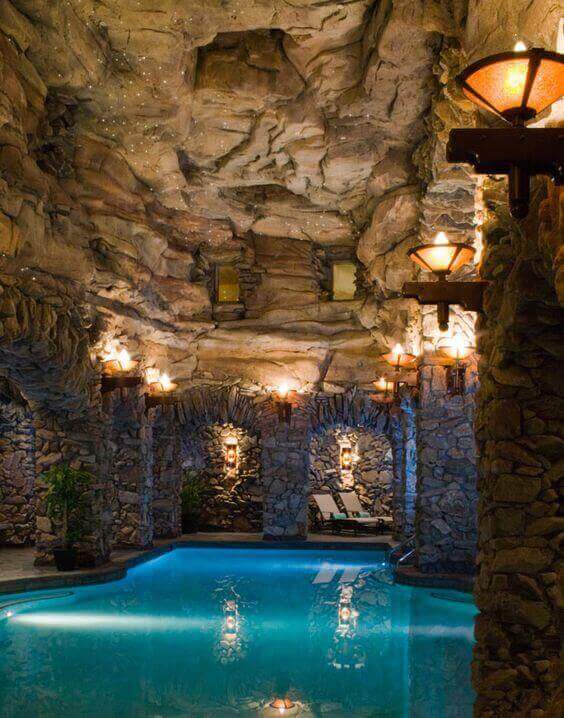
Imagine transforming a space in your home into a personal wellness retreat with an indoor swim spa. These versatile installations give you the benefits of both a swimming pool and a hot tub, all while being protected from the elements. Indoor swim spas offer year-round enjoyment, allowing you to exercise, relax, and entertain regardless of the weather outside.
When planning your indoor swim spa, you need to think about a few key factors. Humidity control is essential since the water will add moisture to the air. A good dehumidifier can prevent mold and maintain comfortable room temperatures. You'll also want to consider natural lighting - large windows can create a serene atmosphere while flooding the space with sunshine.
Your indoor swim spa can fit various home styles and spaces. Some homeowners create dedicated wellness rooms, while others incorporate swim spas into existing living areas with sleek tile flooring and modern touches. The possibilities range from cozy, intimate setups to expansive luxury installations that become the centerpiece of your home.

Choosing the Perfect Indoor Swim Spa
Selecting the right indoor swim spa involves understanding different types, measuring your available space, planning for proper installation, and budgeting appropriately. Your choice will impact both your enjoyment and the value added to your home.
Types of Indoor Swim Spas
Indoor swim spas come in several varieties to match different needs and preferences.
Dual-temperature models feature separate sections for swimming and hot tub relaxation. You can exercise in cooler water while having a heated spa section ready for recovery.
Fitness-focused swim spas offer stronger currents and longer swimming channels. These are ideal if your main goal is exercise rather than relaxation.
Therapy-oriented options include more jets and specialized seating for muscle recovery and pain relief. These swim spas work well for people with joint issues or those recovering from injuries.
Compact models fit in smaller spaces while still providing swimming capabilities. If you have limited room but want the benefits of a swim spa, these are worth considering.
Most indoor swim spas measure between 12-19 feet long and about 8 feet wide. The depth typically ranges from 4-5 feet.
Assessing Space and Placement
Your indoor swim spa location needs careful planning to ensure proper fit and function.
Measure twice! Always add at least 2 feet around all sides of your chosen swim spa model for maintenance access. The ceiling height should be at least 8 feet, preferably higher for comfort.
Floor strength is critical – swim spas weigh thousands of pounds when filled. You may need to reinforce your floor or create a concrete pad depending on your home’s structure.
Consider humidity control by installing proper ventilation systems to prevent moisture damage. Dehumidifiers, exhaust fans, and specialized HVAC systems help manage the increased humidity.
Lighting plays a key role in creating the right atmosphere. Natural light through windows or skylights works well during daytime, while adjustable indoor lighting creates evening ambiance.
Privacy factors might influence your placement choice. Window treatments or strategic room location can help create a private retreat away from street view or neighbors.
Swim Spa Installation Essentials
Proper installation ensures your indoor swim spa functions correctly and lasts longer.
Electrical requirements typically include a dedicated 50-100 amp circuit depending on your model. Always hire a certified electrician familiar with swim spa installations.
Plumbing considerations should include drainage options for maintenance and water changes. Floor drains or access to plumbing lines make this easier.
Ventilation systems are non-negotiable for indoor installations. Without proper air exchange, you’ll face problems with:
- Mold and mildew growth
- Wall and ceiling damage
- Unpleasant humid conditions
Access points for delivery must be planned carefully. Some installations require:
- Removing doors or windows
- Using cranes for second-floor installations
- Partially constructing the room around the swim spa
Flooring materials should be water-resistant and non-slip. Tile, sealed concrete, or specialized pool decking materials work best around swim spas.
Understanding Swim Spa Cost
The investment in an indoor swim spa involves several financial considerations beyond the unit price.
Base pricing for quality swim spas typically ranges from $15,000 to $35,000 depending on size, features, and brand. Premium models with advanced features can exceed $50,000.
Installation costs add $5,000-$15,000 for electrical work, plumbing, and structural modifications. Creating a dedicated room might add $10,000-$30,000 or more to your budget.
Operating expenses include:
- Electricity: $50-$200 monthly
- Water treatment: $20-$40 monthly
- Filter replacements: $100-$200 annually
- Maintenance visits: $75-$150 per service
Long-term value should factor into your decision. A well-maintained indoor swim spa can last 15-20 years and potentially increase your home’s resale value, especially in luxury markets.
Compare brands carefully, as warranty terms vary significantly. Look for coverage on the shell, equipment, and labor with terms of at least 5-10 years for major components.
Smart Swim Spa Design and Planning
Designing an indoor swim spa requires careful planning to create a space that serves both exercise and relaxation needs. A well-designed swim spa can transform your home into a personal wellness retreat while adding value to your property.
Incorporating Swim Spa Ideas Into Your Space
Your swim spa installation starts with choosing the right location in your home. Basements, sunrooms, and dedicated additions work well for indoor installations. Remember that your space needs proper structural support—swim spas hold thousands of gallons of water and can weigh over 15,000 pounds when filled.
Ventilation is crucial for indoor swim spas. Install a quality dehumidification system to prevent moisture damage and mold growth. You’ll need:
- Proper air exchange systems
- Moisture-resistant materials for walls and ceilings
- Non-slip flooring around the spa area
- Adequate drainage systems
Consider the aesthetics too. Natural light from skylights or large windows creates an inviting atmosphere. You might add plants around your swim spa to create a tropical feel and improve air quality.
Combining Swim Spas With Indoor Pool Features
Your indoor swim spa can include features typically found in larger pools. Swim spas offer versatility in a compact footprint that traditional pools can’t match.
Add therapy jets for targeted muscle relief after your swimming workout. Many models include both swimming and spa sections, giving you the best of both worlds.
Consider these popular combination features:
| Feature | Benefit |
|---|---|
| Underwater treadmill | Low-impact cardio option |
| LED lighting | Creates ambiance and enhances safety |
| Water purification systems | Reduces chemical needs |
| Bluetooth audio | Enjoy music during workouts |
Don’t forget about the surrounding area. Install a sauna nearby for a complete hydrotherapy circuit. A small changing area and shower can make your swim spa space more functional and convenient.
Maximizing Relaxation and Wellness
Your swim spa should serve as a wellness hub. Beyond swimming, these versatile units offer hydrotherapy benefits that can ease muscle tension and promote recovery.
Create zones around your swim spa for different activities. A meditation corner with comfortable seating allows for quiet relaxation before or after your swim. Add storage for towels, water bottles, and exercise equipment to keep the space organized.
Temperature control matters for comfort. Most swim spas can be set between 80-104°F depending on your activity. Cooler temperatures work best for exercise while warmer settings enhance relaxation benefits.
Consider adding these wellness enhancements:
- Aromatherapy systems
- Comfortable seating near the spa
- Privacy screens or curtains
- Sound system for relaxing music
Smart home integration can take your experience further. Control lighting, temperature, and jets with voice commands or smartphone apps for ultimate convenience.
Creating a Comfortable Indoor Environment
Setting up an indoor swim spa requires careful planning to ensure the space remains comfortable and damage-free. Your indoor oasis needs proper air management, smart water drainage, and the right materials to withstand constant moisture.
Proper Ventilation and Air Quality
Indoor swim spas release a lot of moisture into the air. Without good ventilation, you’ll face problems like mold, mildew, and damaged walls.
A dehumidifier is essential for any indoor swim spa area. These devices pull excess moisture from the air, keeping humidity levels between 50-60%. Choose a model sized correctly for your space – too small won’t handle the job.
Install an air exchange system to bring fresh air in while pushing humid air out. This helps prevent that “chlorine smell” from building up and improves overall air quality.
Ceiling fans can also help by keeping air moving throughout the space. Position them to push air down in winter and up in summer for best results.
Drainage Solutions
Proper drainage is critical for indoor swim spa safety and maintenance. Water will splash, and you need a way to manage it.
Install floor drains around your swim spa to catch overflow and splashed water. Slope the floor slightly (about 1/4 inch per foot) toward these drains to prevent standing water.
Consider a perimeter channel drain system that runs along the edges of your swim spa area. These can handle larger volumes of water during heavy use or maintenance.
Add a sump pump as a backup if your swim spa room is below ground level. This provides protection against potential flooding during water changes or unexpected leaks.
Choosing Waterproof Materials
The materials around your indoor swim spa must stand up to constant moisture and occasional splashing.
Ceramic tile is the top choice for flooring near swim spas. It’s fully waterproof, slip-resistant when textured, and comes in many styles. Make sure to use waterproof grout to complete the moisture barrier.
For walls, use moisture-resistant drywall (greenboard) or cement board covered with waterproof paint or tile. In high-splash zones, consider full tile coverage for maximum protection.
Select water-resistant ceiling materials like vinyl, PVC panels, or treated wood with waterproof sealant. Avoid standard drywall on ceilings as it can sag when exposed to humidity.
Pick furniture and decorations made from moisture-resistant materials like teak, plastic, or marine-grade fabrics that won’t warp or grow mold.
Enhancing Ambience With Lighting and Water Features
The right lighting and water features can transform your indoor swim spa from ordinary to extraordinary. These elements create atmosphere and can turn your spa area into a truly relaxing retreat.
LED Lighting Options for Swim Spas
LED lights are perfect for indoor swim spas due to their energy efficiency and versatility. These lights consume less power while providing bright, customizable illumination that can last for years.
Color-changing LED options let you adjust the mood of your swim space with the push of a button. You can choose calming blues for relaxation or energetic reds and purples for entertaining guests.
Consider installing:
- Underwater LEDs that illuminate the water from below
- Perimeter lighting around the edges of your swim spa
- Ceiling lights that cast gentle patterns on the water surface
Programmable lighting systems allow you to create and save lighting scenes for different activities. You might want bright, clear lighting for exercise and softer, colorful options for evening relaxation.
Creative Water Feature Ideas
Water features add both visual appeal and soothing sounds to your indoor swim spa environment. The gentle splashing creates a peaceful backdrop that helps mask household noises.
Waterfalls are a popular choice that can be customized to suit your space. Options include:
- Simple sheet falls that create a curtain of water
- Rock waterfalls that mimic natural formations
- Multiple-tier designs for more dramatic visual impact
Bubbling jets placed strategically around your swim spa add both massage benefits and visual interest. The bubbles create movement on the water’s surface and add a playful element.
For a modern look, consider laminar jets that create arcing streams of water. These can be paired with LED lights for stunning water-and-light shows right in your home.
Swim Spa Brands and Customization
When selecting an indoor swim spa, you’ll find various brands offering different features and customization options to match your specific needs and space requirements.
Exploring Master Spas and Other Brands
Master Spas stands out as a leading brand for indoor swim spa installations. They focus on creating spa-like experiences with luxurious details for your home setup. Their designs often include advanced features for both exercise and relaxation.
Hydropool is another top contender, known especially for their highly customizable options. According to recent information, they allow you to tailor your swim spa to fit your specific space requirements.
Other popular brands in the market include:
- Endless Pools: Known for powerful swim currents
- PDC Spas: Offers energy-efficient models
- Jacuzzi: Features therapeutic jet systems
When comparing brands, look at water depth options, size variations, and energy efficiency ratings. Most quality swim spas range from 12 to 21 feet in length, with varying depth options to accommodate different users.
Personalizing Your Swim Spa Experience
You can customize your indoor swim spa with numerous options to create your perfect aquatic retreat. Most manufacturers offer shell colors, cabinet finishes, and various internal components to match your home’s style.
Popular customization options include:
- Water filtration systems (ozone or bromine)
- Custom steps and entry points
- Decorative lighting packages
- Temperature control systems
- Specialized jet configurations
The surrounding area matters too. Many homeowners add custom limestone coping, ceramic tile details, or exposed aggregate finishes to enhance their indoor installation.
Dehumidification systems are a crucial customization for indoor setups. They help manage room temperature and prevent mold issues caused by increased moisture from your swim spa.
Consider adding storage solutions nearby for towels and equipment. Built-in seating areas can transform your swim spa space into a complete relaxation zone that you’ll enjoy year-round.
Frequently Asked Questions
Installing a swim spa indoors brings up many questions about design, space, and maintenance. Let’s tackle the most common questions to help you plan your perfect indoor swim spa setup.
What creative design options do we have for integrating a swim spa into an indoor space?
You can surround your indoor swim spa with natural stone to create a rustic, spa-like feel. The stones add texture and warmth to the space.
Plants work wonders around swim spas. Try tropical varieties that thrive in humid environments to create a mini indoor oasis.
Consider building a custom platform around your swim spa. This gives you a place to sit and creates a more finished look.
Glass walls or large windows near your swim spa let in natural light. This makes the space feel bigger and creates a connection to the outdoors.
LED lighting under or around the swim spa adds ambiance. You can choose colors that match your mood or the season.
How much space do we need to install a swim spa indoors, and what are the best practices for optimizing it?
Most swim spas require a minimum room size of 12 × 20 feet. This gives you enough space for the unit plus walking room around it.
Always add 2-3 feet of clearance around all sides of your swim spa. This makes maintenance easier and provides safety space.
Ceiling height matters too. You need at least 8 feet of clearance, but 10 feet is better for comfort and ventilation.
Consider building your swim spa slightly recessed into the floor. This creates a more integrated look and makes entry easier.
Use corner installations to save space if you’re working with a smaller room. This keeps pathways clear in the rest of the room.
Can you walk us through the process of maintaining an indoor swim spa, and how often should we do it?
Test your water chemistry 2-3 times per week. This keeps the water clean and prevents problems before they start.
Clean your filters every 2-4 weeks. Rinse them thoroughly with a hose to remove debris and oils.
Replace your swim spa water every 3-4 months. Indoor spas may need less frequent changes than outdoor ones.
Wipe down surfaces weekly with a non-abrasive cleaner. This prevents biofilm buildup on the walls and waterline.
Check and maintain your ventilation system monthly. Clean vents and replace filters to keep air moving properly.
Schedule professional maintenance twice yearly. A technician can check electrical components and pumps for proper function.
What are some budget-friendly tips for those of us wanting to add a swim spa to our home?
Look for floor models or last year’s swim spa models. Dealers often offer significant discounts to make room for new inventory.
Consider a smaller swim spa if space and budget are tight. A 12-foot model costs less than a 17-foot one but still provides great exercise.
Install simple surroundings at first. You can add custom decking or fancy features later as your budget allows.
Handle some prep work yourself. Clearing space and basic room preparations can save on labor costs.
Compare energy efficiency ratings before buying. A more efficient model may cost more upfront but save money over time.
Look into financing options. Many dealers offer payment plans that make the initial investment more manageable.
How can we ensure adequate ventilation and humidity control when installing an indoor swim spa?
Install a dedicated dehumidifier sized for your room. This is essential for preventing mold and structural damage.
Add exhaust fans that vent to the outside. They remove moisture-laden air quickly after heavy swim spa use.
Consider a heat recovery ventilator system. These exchange indoor humid air for fresh outdoor air while preserving heat.
Keep room temperature 2-3 degrees higher than your water temperature. This reduces evaporation and humidity issues.
Install moisture-resistant materials throughout the room. Use cement board instead of drywall and choose waterproof flooring.
Seal all windows and doors properly. This prevents moisture from seeping into other parts of your home.
What are some innovative features we can include in our indoor swim spa to enhance our swimming and relaxation experience?
Add underwater speakers for music while you swim or relax. The sound quality underwater creates a unique experience.
Install smart controls that let you adjust temperature and jets from your phone. This adds convenience and precision.
Consider counter-current swimming systems with variable speeds. These let you customize workout intensity based on your fitness level.
Look for models with built-in exercise equipment like rowing attachments. These expand your workout options beyond swimming.
Try chromatherapy lighting that changes colors. Different colors can affect your mood and enhance relaxation.
Install a poolside shower for rinsing off before and after use. This helps keep your swim spa water cleaner longer.


Choosing the Perfect Indoor Swim Spa
Selecting the right indoor swim spa involves understanding different types, measuring your available space, planning for proper installation, and budgeting appropriately. Your choice will impact both your enjoyment and the value added to your home.
Types of Indoor Swim Spas
Indoor swim spas come in several varieties to match different needs and preferences.
Dual-temperature models feature separate sections for swimming and hot tub relaxation. You can exercise in cooler water while having a heated spa section ready for recovery.
Fitness-focused swim spas offer stronger currents and longer swimming channels. These are ideal if your main goal is exercise rather than relaxation.
Therapy-oriented options include more jets and specialized seating for muscle recovery and pain relief. These swim spas work well for people with joint issues or those recovering from injuries.
Compact models fit in smaller spaces while still providing swimming capabilities. If you have limited room but want the benefits of a swim spa, these are worth considering.
Most indoor swim spas measure between 12-19 feet long and about 8 feet wide. The depth typically ranges from 4-5 feet.
Assessing Space and Placement
Your indoor swim spa location needs careful planning to ensure proper fit and function.
Measure twice! Always add at least 2 feet around all sides of your chosen swim spa model for maintenance access. The ceiling height should be at least 8 feet, preferably higher for comfort.
Floor strength is critical - swim spas weigh thousands of pounds when filled. You may need to reinforce your floor or create a concrete pad depending on your home's structure.
Consider humidity control by installing proper ventilation systems to prevent moisture damage. Dehumidifiers, exhaust fans, and specialized HVAC systems help manage the increased humidity.
Lighting plays a key role in creating the right atmosphere. Natural light through windows or skylights works well during daytime, while adjustable indoor lighting creates evening ambiance.
Privacy factors might influence your placement choice. Window treatments or strategic room location can help create a private retreat away from street view or neighbors.
Swim Spa Installation Essentials
Proper installation ensures your indoor swim spa functions correctly and lasts longer.
Electrical requirements typically include a dedicated 50-100 amp circuit depending on your model. Always hire a certified electrician familiar with swim spa installations.
Plumbing considerations should include drainage options for maintenance and water changes. Floor drains or access to plumbing lines make this easier.
Ventilation systems are non-negotiable for indoor installations. Without proper air exchange, you'll face problems with:
- Mold and mildew growth
- Wall and ceiling damage
- Unpleasant humid conditions
Access points for delivery must be planned carefully. Some installations require:
- Removing doors or windows
- Using cranes for second-floor installations
- Partially constructing the room around the swim spa
Flooring materials should be water-resistant and non-slip. Tile, sealed concrete, or specialized pool decking materials work best around swim spas.
Understanding Swim Spa Cost
The investment in an indoor swim spa involves several financial considerations beyond the unit price.
Base pricing for quality swim spas typically ranges from $15,000 to $35,000 depending on size, features, and brand. Premium models with advanced features can exceed $50,000.
Installation costs add $5,000-$15,000 for electrical work, plumbing, and structural modifications. Creating a dedicated room might add $10,000-$30,000 or more to your budget.
Operating expenses include:
- Electricity: $50-$200 monthly
- Water treatment: $20-$40 monthly
- Filter replacements: $100-$200 annually
- Maintenance visits: $75-$150 per service
Long-term value should factor into your decision. A well-maintained indoor swim spa can last 15-20 years and potentially increase your home's resale value, especially in luxury markets.
Compare brands carefully, as warranty terms vary significantly. Look for coverage on the shell, equipment, and labor with terms of at least 5-10 years for major components.
Smart Swim Spa Design and Planning
Designing an indoor swim spa requires careful planning to create a space that serves both exercise and relaxation needs. A well-designed swim spa can transform your home into a personal wellness retreat while adding value to your property.
Incorporating Swim Spa Ideas Into Your Space
Your swim spa installation starts with choosing the right location in your home. Basements, sunrooms, and dedicated additions work well for indoor installations. Remember that your space needs proper structural supportâswim spas hold thousands of gallons of water and can weigh over 15,000 pounds when filled.
Ventilation is crucial for indoor swim spas. Install a quality dehumidification system to prevent moisture damage and mold growth. You'll need:
- Proper air exchange systems
- Moisture-resistant materials for walls and ceilings
- Non-slip flooring around the spa area
- Adequate drainage systems
Consider the aesthetics too. Natural light from skylights or large windows creates an inviting atmosphere. You might add plants around your swim spa to create a tropical feel and improve air quality.
Combining Swim Spas With Indoor Pool Features
Your indoor swim spa can include features typically found in larger pools. Swim spas offer versatility in a compact footprint that traditional pools can't match.
Add therapy jets for targeted muscle relief after your swimming workout. Many models include both swimming and spa sections, giving you the best of both worlds.
Consider these popular combination features:
| Feature | Benefit |
|---|---|
| Underwater treadmill | Low-impact cardio option |
| LED lighting | Creates ambiance and enhances safety |
| Water purification systems | Reduces chemical needs |
| Bluetooth audio | Enjoy music during workouts |
Don't forget about the surrounding area. Install a sauna nearby for a complete hydrotherapy circuit. A small changing area and shower can make your swim spa space more functional and convenient.
Maximizing Relaxation and Wellness
Your swim spa should serve as a wellness hub. Beyond swimming, these versatile units offer hydrotherapy benefits that can ease muscle tension and promote recovery.
Create zones around your swim spa for different activities. A meditation corner with comfortable seating allows for quiet relaxation before or after your swim. Add storage for towels, water bottles, and exercise equipment to keep the space organized.
Temperature control matters for comfort. Most swim spas can be set between 80-104°F depending on your activity. Cooler temperatures work best for exercise while warmer settings enhance relaxation benefits.
Consider adding these wellness enhancements:
- Aromatherapy systems
- Comfortable seating near the spa
- Privacy screens or curtains
- Sound system for relaxing music
Smart home integration can take your experience further. Control lighting, temperature, and jets with voice commands or smartphone apps for ultimate convenience.
Creating a Comfortable Indoor Environment
Setting up an indoor swim spa requires careful planning to ensure the space remains comfortable and damage-free. Your indoor oasis needs proper air management, smart water drainage, and the right materials to withstand constant moisture.
Proper Ventilation and Air Quality
Indoor swim spas release a lot of moisture into the air. Without good ventilation, you'll face problems like mold, mildew, and damaged walls.
A dehumidifier is essential for any indoor swim spa area. These devices pull excess moisture from the air, keeping humidity levels between 50-60%. Choose a model sized correctly for your space - too small won't handle the job.
Install an air exchange system to bring fresh air in while pushing humid air out. This helps prevent that "chlorine smell" from building up and improves overall air quality.
Ceiling fans can also help by keeping air moving throughout the space. Position them to push air down in winter and up in summer for best results.
Drainage Solutions
Proper drainage is critical for indoor swim spa safety and maintenance. Water will splash, and you need a way to manage it.
Install floor drains around your swim spa to catch overflow and splashed water. Slope the floor slightly (about 1/4 inch per foot) toward these drains to prevent standing water.
Consider a perimeter channel drain system that runs along the edges of your swim spa area. These can handle larger volumes of water during heavy use or maintenance.
Add a sump pump as a backup if your swim spa room is below ground level. This provides protection against potential flooding during water changes or unexpected leaks.
Choosing Waterproof Materials
The materials around your indoor swim spa must stand up to constant moisture and occasional splashing.
Ceramic tile is the top choice for flooring near swim spas. It's fully waterproof, slip-resistant when textured, and comes in many styles. Make sure to use waterproof grout to complete the moisture barrier.
For walls, use moisture-resistant drywall (greenboard) or cement board covered with waterproof paint or tile. In high-splash zones, consider full tile coverage for maximum protection.
Select water-resistant ceiling materials like vinyl, PVC panels, or treated wood with waterproof sealant. Avoid standard drywall on ceilings as it can sag when exposed to humidity.
Pick furniture and decorations made from moisture-resistant materials like teak, plastic, or marine-grade fabrics that won't warp or grow mold.
Enhancing Ambience With Lighting and Water Features
The right lighting and water features can transform your indoor swim spa from ordinary to extraordinary. These elements create atmosphere and can turn your spa area into a truly relaxing retreat.
LED Lighting Options for Swim Spas
LED lights are perfect for indoor swim spas due to their energy efficiency and versatility. These lights consume less power while providing bright, customizable illumination that can last for years.
Color-changing LED options let you adjust the mood of your swim space with the push of a button. You can choose calming blues for relaxation or energetic reds and purples for entertaining guests.
Consider installing:
- Underwater LEDs that illuminate the water from below
- Perimeter lighting around the edges of your swim spa
- Ceiling lights that cast gentle patterns on the water surface
Programmable lighting systems allow you to create and save lighting scenes for different activities. You might want bright, clear lighting for exercise and softer, colorful options for evening relaxation.
Creative Water Feature Ideas
Water features add both visual appeal and soothing sounds to your indoor swim spa environment. The gentle splashing creates a peaceful backdrop that helps mask household noises.
Waterfalls are a popular choice that can be customized to suit your space. Options include:
- Simple sheet falls that create a curtain of water
- Rock waterfalls that mimic natural formations
- Multiple-tier designs for more dramatic visual impact
Bubbling jets placed strategically around your swim spa add both massage benefits and visual interest. The bubbles create movement on the water's surface and add a playful element.
For a modern look, consider laminar jets that create arcing streams of water. These can be paired with LED lights for stunning water-and-light shows right in your home.
Swim Spa Brands and Customization
When selecting an indoor swim spa, you'll find various brands offering different features and customization options to match your specific needs and space requirements.
Exploring Master Spas and Other Brands
Master Spas stands out as a leading brand for indoor swim spa installations. They focus on creating spa-like experiences with luxurious details for your home setup. Their designs often include advanced features for both exercise and relaxation.
Hydropool is another top contender, known especially for their highly customizable options. According to recent information, they allow you to tailor your swim spa to fit your specific space requirements.
Other popular brands in the market include:
- Endless Pools: Known for powerful swim currents
- PDC Spas: Offers energy-efficient models
- Jacuzzi: Features therapeutic jet systems
When comparing brands, look at water depth options, size variations, and energy efficiency ratings. Most quality swim spas range from 12 to 21 feet in length, with varying depth options to accommodate different users.
Personalizing Your Swim Spa Experience
You can customize your indoor swim spa with numerous options to create your perfect aquatic retreat. Most manufacturers offer shell colors, cabinet finishes, and various internal components to match your home's style.
Popular customization options include:
- Water filtration systems (ozone or bromine)
- Custom steps and entry points
- Decorative lighting packages
- Temperature control systems
- Specialized jet configurations
The surrounding area matters too. Many homeowners add custom limestone coping, ceramic tile details, or exposed aggregate finishes to enhance their indoor installation.
Dehumidification systems are a crucial customization for indoor setups. They help manage room temperature and prevent mold issues caused by increased moisture from your swim spa.
Consider adding storage solutions nearby for towels and equipment. Built-in seating areas can transform your swim spa space into a complete relaxation zone that you'll enjoy year-round.
Frequently Asked Questions
Installing a swim spa indoors brings up many questions about design, space, and maintenance. Let's tackle the most common questions to help you plan your perfect indoor swim spa setup.
What creative design options do we have for integrating a swim spa into an indoor space?
You can surround your indoor swim spa with natural stone to create a rustic, spa-like feel. The stones add texture and warmth to the space.
Plants work wonders around swim spas. Try tropical varieties that thrive in humid environments to create a mini indoor oasis.
Consider building a custom platform around your swim spa. This gives you a place to sit and creates a more finished look.
Glass walls or large windows near your swim spa let in natural light. This makes the space feel bigger and creates a connection to the outdoors.
LED lighting under or around the swim spa adds ambiance. You can choose colors that match your mood or the season.
How much space do we need to install a swim spa indoors, and what are the best practices for optimizing it?
Most swim spas require a minimum room size of 12 Ã 20 feet. This gives you enough space for the unit plus walking room around it.
Always add 2-3 feet of clearance around all sides of your swim spa. This makes maintenance easier and provides safety space.
Ceiling height matters too. You need at least 8 feet of clearance, but 10 feet is better for comfort and ventilation.
Consider building your swim spa slightly recessed into the floor. This creates a more integrated look and makes entry easier.
Use corner installations to save space if you're working with a smaller room. This keeps pathways clear in the rest of the room.
Can you walk us through the process of maintaining an indoor swim spa, and how often should we do it?
Test your water chemistry 2-3 times per week. This keeps the water clean and prevents problems before they start.
Clean your filters every 2-4 weeks. Rinse them thoroughly with a hose to remove debris and oils.
Replace your swim spa water every 3-4 months. Indoor spas may need less frequent changes than outdoor ones.
Wipe down surfaces weekly with a non-abrasive cleaner. This prevents biofilm buildup on the walls and waterline.
Check and maintain your ventilation system monthly. Clean vents and replace filters to keep air moving properly.
Schedule professional maintenance twice yearly. A technician can check electrical components and pumps for proper function.
What are some budget-friendly tips for those of us wanting to add a swim spa to our home?
Look for floor models or last year's swim spa models. Dealers often offer significant discounts to make room for new inventory.
Consider a smaller swim spa if space and budget are tight. A 12-foot model costs less than a 17-foot one but still provides great exercise.
Install simple surroundings at first. You can add custom decking or fancy features later as your budget allows.
Handle some prep work yourself. Clearing space and basic room preparations can save on labor costs.
Compare energy efficiency ratings before buying. A more efficient model may cost more upfront but save money over time.
Look into financing options. Many dealers offer payment plans that make the initial investment more manageable.
How can we ensure adequate ventilation and humidity control when installing an indoor swim spa?
Install a dedicated dehumidifier sized for your room. This is essential for preventing mold and structural damage.
Add exhaust fans that vent to the outside. They remove moisture-laden air quickly after heavy swim spa use.
Consider a heat recovery ventilator system. These exchange indoor humid air for fresh outdoor air while preserving heat.
Keep room temperature 2-3 degrees higher than your water temperature. This reduces evaporation and humidity issues.
Install moisture-resistant materials throughout the room. Use cement board instead of drywall and choose waterproof flooring.
Seal all windows and doors properly. This prevents moisture from seeping into other parts of your home.
What are some innovative features we can include in our indoor swim spa to enhance our swimming and relaxation experience?
Add underwater speakers for music while you swim or relax. The sound quality underwater creates a unique experience.
Install smart controls that let you adjust temperature and jets from your phone. This adds convenience and precision.
Consider counter-current swimming systems with variable speeds. These let you customize workout intensity based on your fitness level.
Look for models with built-in exercise equipment like rowing attachments. These expand your workout options beyond swimming.
Try chromatherapy lighting that changes colors. Different colors can affect your mood and enhance relaxation.
Install a poolside shower for rinsing off before and after use. This helps keep your swim spa water cleaner longer.
[/tps_footer]