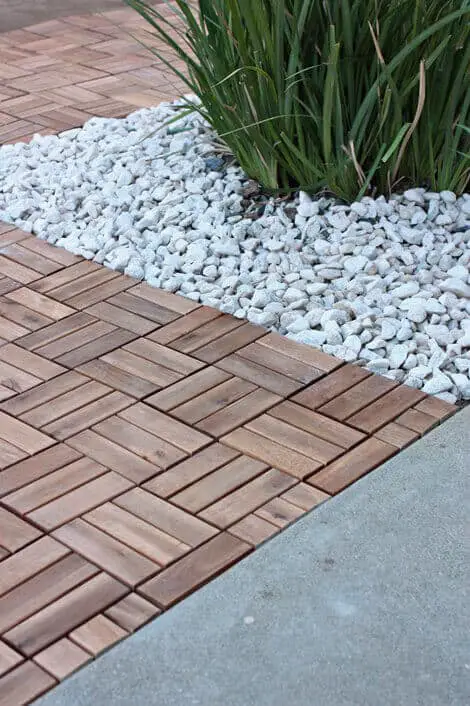
Looking to transform your outdoor space? A well-designed deck can turn your backyard into a perfect spot for relaxing and entertaining. Today’s deck designs offer more options than ever, with creative layouts, materials, and features that match any style or budget.
Your deck should be an extension of your home that reflects your personal style while being functional for your needs. Think about how you’ll use the space – for dining, sunbathing, or gathering with friends. The latest 2025 deck trends include comfortable outdoor furniture, weather-resistant materials, and smart lighting that extends your enjoyment into the evening hours.
Whether you’re planning a DIY project or hiring professionals, great deck design starts with inspiration. From cozy corner decks to multi-level outdoor living spaces, the right deck can boost your home’s value and your quality of life. With proper planning, you can create an outdoor retreat that feels like a natural part of your home.

Essential Deck Designs and Layout Ideas
Your deck serves as an extension of your home, creating a space for relaxation and entertainment. The right design can transform your outdoor area into a functional and beautiful retreat that matches your lifestyle needs.
Classic Wood Decks
Wood decks remain popular for their natural beauty and timeless appeal. Cedar, redwood, and pressure-treated pine are top choices for traditional wood decking. Each wood type offers different benefits:
- Cedar: Naturally resistant to rot and insects
- Redwood: Beautiful rich color that ages gracefully
- Pressure-treated pine: Budget-friendly and durable
Wood decks need regular maintenance to keep them looking their best. Plan to clean and reseal your wood deck every 1-2 years to protect it from moisture damage.
For a classic look, try traditional horizontal boards or diagonal patterns. These designs work well for most home styles and create a warm, inviting outdoor space.
Wood decks can be customized with built-in seating, planters, or pergolas to make your space more functional.
Composite Deck Designs
Composite decking has become a go-to option for homeowners who want beauty without the maintenance. Made from a mix of wood fibers and recycled plastic, composite decks resist:
- Fading
- Staining
- Scratching
- Mold growth
You'll find composite decking in many colors and textures that mimic real wood. Some brands even offer boards with realistic wood grain patterns.
Most composite decks only need occasional cleaning with soap and water. No sanding, staining, or sealing required!
Composite materials work well for curved designs and unique patterns that might be difficult with wood. Try picture framing (bordering the deck with a different color) or inlays for visual interest.
These decks cost more upfront but save money long-term through reduced maintenance and longer lifespan.
Multi-Level Deck Layouts
Multi-level decks add dimension to your outdoor space and can solve problems on sloped properties. By creating different "zones," you can designate areas for dining, lounging, and cooking.
Steps between levels should be wide and shallow for safety. Standard measurements include:
- Step height: 7 inches
- Step depth: 11 inches minimum
- Step width: Same as walkway (36 inches minimum)
Each level can have its own unique purpose. Your upper level might connect to the kitchen for easy food service, while a lower level could feature a fire pit or hot tub.
Multi-level designs work especially well for second-story decks where you want to create a more intimate connection to your yard.
Railings between levels can be decorative as well as functional. Consider glass panels, cable rails, or ornamental metal for style and safety.
Floating and Ground-Level Decks
Ground-level and floating decks sit just inches above the ground, creating a seamless transition from home to yard. These designs offer several advantages:
- No need for railings (in most areas)
- Easier and cheaper to build
- Great for creating outdoor "rooms" in your yard
A floating deck isn't attached to your home, giving you flexibility in placement. Put one under a tree for shade or in a sunny spot for sunbathing.
Ground-level decks can include built-in planters to soften edges and add greenery. Try surrounding your deck with plants to create a garden-like feel.
These low-profile designs work well in smaller yards where you don't want the deck to overwhelm the space. The simple design keeps focus on your landscaping and outdoor furnishings.
For added interest, try a circular or octagonal shape instead of the traditional rectangle.
Creative Features to Elevate Your Outdoor Space
Your deck can become more than just a flat surface with the right creative elements. Adding these features transforms basic decks into stunning outdoor living areas that you'll want to use year-round.
Decks with Pergolas
A pergola adds both beauty and function to your deck space. These open-roof structures create partial shade while defining your outdoor room. You can dress up a cedar pergola with climbing vines or hanging plants for natural beauty.
Pergolas come in many styles, from rustic wood to modern metal designs. Some homeowners add weather-resistant curtains to their pergolas for extra privacy and shade on hot days.
For evening enjoyment, consider adding string lights or small lanterns to your pergola. This creates a magical atmosphere when the sun goes down.
Pergola benefits:
- Provides partial shade
- Creates a defined outdoor room feeling
- Supports climbing plants
- Offers a structure for lighting and privacy options
Fire Pits and Outdoor Fireplaces
A deck with a fire pit becomes an instant gathering spot for family and friends. Fire features extend your outdoor season by providing warmth during cooler evenings.
You can choose between built-in fire pits or portable options depending on your deck structure. For wooden decks, make sure to use proper heat barriers to protect your deck surface.
Modern fire tables offer both warmth and a place to set drinks or small plates. These dual-purpose pieces work especially well on smaller decks where space is limited.
Safety tip: Always keep fire features at least 10 feet away from your home's structure and any overhanging trees.
Outdoor Kitchen and Dining Areas
Transform your deck into an outdoor cooking and dining destination. A basic outdoor kitchen might include a quality grill and small prep area. More elaborate setups can feature built-in refrigerators, sinks, and counter space.
Weather-resistant cabinetry keeps your cooking tools organized and protected. Choose materials designed specifically for outdoor use to ensure longevity.
Your dining area should complement your cooking space. Consider a large table for family meals or a bar-height counter with stools for casual entertaining.
Popular outdoor kitchen elements:
- Built-in grills or smokers
- Refrigerator or ice maker
- Sink with running water
- Storage cabinets
- Pizza oven
- Countertop space for food prep
Adding shade over your outdoor kitchen area protects both you and your equipment from harsh sun and light rain.
Backyard Deck Inspiration and Versatile Styles
Backyard decks come in many shapes and styles to match different homes and needs. The right deck design can transform your outdoor space into a perfect spot for relaxation, entertaining, or family activities.
Island Decks
Island decks stand alone in your yard instead of attaching to your house. These detached structures create a destination spot in your landscape and can serve many purposes.
You might place an island deck under a beautiful tree for natural shade. Or position it in a sunny spot for sunbathing and star gazing.
Island decks work well for:
- Fire pit gatherings
- Meditation spaces
- Reading nooks
- Garden viewpoints
The beauty of an island deck is its flexibility. You can build it anywhere in your yard that makes sense - near a garden, beside a pond, or in that unused corner that needs purpose.
Building an island deck often costs less than attached decks since you don't need to connect it to your home's structure. Plus, you can start small and expand later as your needs change.
Curved and Unique Deck Shapes
Why stick with squares and rectangles? Curved decks add visual interest and can better complement your landscape's natural flow.
Curved edges soften the look of your outdoor space and create a more welcoming feel. They can follow the contours of gardens, trees, or other landscape features.
Popular curved deck options include:
- Half-moon designs
- S-curves that wind through your yard
- Circular platforms
- Organic shapes that follow natural features
These unique shapes may require more specialized construction knowledge. Custom-cut boards or composite decking materials often work best for creating smooth curves.
The extra effort pays off with a one-of-a-kind deck that stands out from typical backyard designs. Your curved deck becomes both a functional space and an artistic landscape element.
Rooftop Deck Ideas
Don't have much yard space? Look up! Rooftop decks transform unused areas into valuable outdoor living space.
In urban settings, a rooftop deck might be your only option for private outdoor space. These elevated retreats offer unique views and escape from street-level noise.
Consider these rooftop deck features:
- Weather-resistant materials to withstand more exposure
- Safety railings that meet local building codes
- Lightweight furniture that won't damage the roof
- Container gardens to add greenery
Privacy screens help create intimacy in open rooftop settings. Consider pergolas or partial roofing for shade on hot days.
Weight distribution matters for rooftop decks. You'll need professional assessment to ensure your roof can support the deck, furniture, planters, and people.
Smart Deck Materials and Railing Choices
Selecting the right materials for your deck and railings can transform your outdoor space while ensuring durability and low maintenance. Modern options now offer both beauty and practicality for your backyard oasis.
Choosing Decking Materials
Wood decking remains popular for its natural beauty and warmth. Cedar and pressure-treated pine offer affordability, while exotic hardwoods like ipe provide exceptional durability but at a higher cost.
Composite deck materials have revolutionized outdoor spaces with their remarkable durability. These wood-fiber and plastic blends resist:
- Rotting and warping
- Insect damage
- Fading from UV exposure
- Staining from food and drinks
Most composite decking now comes with 25+ year warranties, making it worth the higher upfront investment. Though pricier than wood, you'll save money long-term on staining, sealing, and repairs.
PVC and vinyl decking offer completely synthetic alternatives that resist moisture damage completely. They're ideal for pools and waterfront properties.
Custom and Composite Railings
Your railing choice dramatically impacts your deck's appearance and functionality. Custom railing designs can include mixed materials like wood tops with metal balusters for a unique look.
Composite rail systems match your decking perfectly and offer the same low-maintenance benefits. Many manufacturers create complete systems with:
- Post sleeves and caps
- Rail top and bottom components
- Decorative balusters
Glass panel railings provide unobstructed views and wind protection. They work beautifully for elevated decks with scenic views.
Metal railings in aluminum or steel offer modern aesthetics with incredible strength. Black aluminum rails create striking contrast against lighter decking materials.
Cable Rail Systems
Cable rail systems have become incredibly popular for their minimal visual impact. Horizontal stainless steel cables run between posts, creating a sleek, modern appearance that won't block your view.
Installation requires proper tensioning of each cable, which may need professional expertise. Most building codes require cables to be spaced no more than 4 inches apart for safety.
These systems work with various post materials. You can use:
- Wood posts for a rustic look
- Metal posts for industrial style
- Composite posts for low maintenance
Cable rails typically cost more than traditional options but provide unmatched contemporary style. The stainless steel construction resists corrosion even in harsh coastal environments.
While visually stunning, consider if cable rails suit your family's needs. Some parents worry small children might use horizontal cables as a ladder.
Privacy, Lighting, and Décor Enhancements
Transforming your deck into a private retreat requires thoughtful additions that combine function and style. The right privacy solutions, lighting options, and decorative elements can turn your outdoor space into a true extension of your home.
Privacy Screens and Walls
Privacy screens offer an elegant solution to create a secluded outdoor space. Wooden panels provide a rustic, warm feel while blending with your deck's natural elements. Many homeowners choose weathered wood for its authentic character and cozy atmosphere.
For a modern look, consider outdoor shade panels. These versatile options come in various materials and designs to match your style preferences. They're typically easy to install and maintain.
Hanging planters serve a dual purpose – they add greenery while creating natural privacy barriers. You can arrange them strategically to block specific sightlines without making your space feel closed off.
Popular Privacy Solutions:
- Lattice screens with climbing plants
- Bamboo privacy walls
- Decorative metal panels
- Outdoor curtains or weather-resistant fabric
- Living walls with vertical gardens
Deck Lighting and Outdoor String Lights
Good lighting transforms your deck from day to night. String lights create a magical atmosphere that's perfect for evening gatherings. Hang them in zigzag patterns overhead or outline your deck's perimeter for a warm glow.
Solar-powered options eliminate the need for electrical outlets while being environmentally friendly. They charge during the day and automatically illuminate your space at dusk.
Consider layering different types of lighting for both function and ambiance. Path lights improve safety, while spotlights can highlight decorative features.
Lighting Tips:
- Use warm white bulbs for a cozy feel
- Install dimmer switches for adjustable brightness
- Add waterproof LED strip lights under railings
- Place lanterns on tables for intimate lighting
- Include motion-sensor lights for security
Deck Décor Ideas
Your deck décor should reflect your personal style while withstanding outdoor conditions. Weather-resistant furniture in comfortable configurations invites relaxation and conversation.
Add outdoor rugs to define seating areas and bring indoor comfort outside. They come in many patterns and materials designed to handle sun and rain.
Water features like small fountains or decorative ponds create peaceful sounds that enhance relaxation. The gentle bubbling can also help mask neighborhood noise.
Don't forget about greenery! Potted plants and container gardens add life and color to your deck. Choose varieties that thrive in your climate and the specific light conditions of your space.
Quick Décor Enhancements:
- Outdoor pillows and throws for comfort
- All-weather art pieces or wall hangings
- Tabletop fire bowls for cozy gatherings
- Decorative outdoor clocks or thermometers
- Bird feeders to attract wildlife
Practical Advice for Building and Upgrading Decks
Building or upgrading a deck requires careful planning and consideration of various factors. The right approach can save you time, money, and frustration while creating an outdoor space you'll enjoy for years.
DIY Deck Projects
If you're handy with tools, a DIY deck project might be perfect for you. Start with a simple design like a freestanding deck that doesn't attach to your house. These are easier to build and often don't require as many permits.
Before starting, gather all necessary materials and tools. You'll need:
- Pressure-treated lumber or composite decking
- Concrete footings
- Joist hangers and screws
- Circular saw and drill
- Level and measuring tape
Weekend project idea: Build a small platform deck around a tree or garden feature. This creates a focal point in your yard without requiring extensive construction skills.
Always check local building codes before you start. Most areas require permits for decks over a certain height or size. Taking time for proper planning will prevent headaches later.
Deck Renovation Tips
Updating an existing deck can give your outdoor space new life without starting from scratch. Begin by inspecting the structural elements for rot or damage. Replace any compromised support posts, joists, or beams before addressing cosmetic issues.
Quick upgrades that make a big difference:
- Replace old railings with modern glass, cable, or metal options
- Add built-in seating or planters along the edges
- Install outdoor lighting for evening enjoyment
- Refinish or paint worn deck boards
For older decks, consider upgrading to composite materials. While more expensive initially, they resist fading, staining, and require minimal maintenance. This can be done in sections if budget is a concern.
Remember that pool decks have special requirements. Use slip-resistant materials and ensure proper drainage away from the pool.
Screened Porches and Patios
Combining a deck with a screened porch gives you the best of both worlds. You get open-air space plus bug-free relaxation area for evenings and rainy days.
When planning a screened porch, consider:
- Roof style (gabled or shed roofs work well)
- Screen type (fiberglass is affordable; aluminum lasts longer)
- Flooring options (composite decking works great)
Pro tip: Include electrical outlets and ceiling fan rough-ins during construction. Adding these later is much more difficult and expensive.
For connecting to patios, create a smooth transition between spaces. Step-downs from deck to patio should be clearly visible. Consider using flagstone for a natural-looking patio that complements wooden deck elements.
Landscaping around your deck and patio creates a cohesive outdoor living area. Use planters, native plants, and small trees to soften edges and provide privacy.
Frequently Asked Questions
Many deck owners face common challenges when planning their outdoor spaces. Here are answers to some of the most common questions about deck designs to help you create your perfect outdoor area.
How can I design a stylish deck without breaking the bank?
You can create a beautiful deck on a budget by focusing on smart material choices. Consider pressure-treated wood instead of exotic hardwoods or high-end composites for significant savings.
DIY installation can cut labor costs by 50% or more. If you're not comfortable building the entire deck, consider handling simpler tasks like staining or installing railings.
Add style with affordable accessories like outdoor rugs, potted plants, and string lights. These small touches create big visual impact without major expense.
Could you show me some simple deck designs that are easy to replicate?
A rectangular platform deck is the easiest design to build. It sits close to the ground, often requiring no railings and minimal steps, making it perfect for beginners.
The classic square deck with simple railings works well for most homes. This timeless design requires basic carpentry skills and standard materials readily available at home improvement stores.
L-shaped decks offer more visual interest while still using straightforward construction techniques. They work especially well when wrapped around a corner of your house.
What are some creative ideas for decks with roofs that provide shade and style?
Pergolas create partial shade while maintaining an open feel. Add a retractable canopy for adjustable sun protection or grow climbing plants for natural coverage and beauty.
A solid roof extension from your house provides complete protection from sun and rain. This turns your deck into a true outdoor room usable in most weather conditions.
Pavilion-style roofs with exposed beams add architectural interest. These standalone structures create a distinct outdoor space that becomes a focal point in your yard.
Where might I find some free deck plans that also include a materials list?
Home improvement stores like Home Depot and Lowe's offer free deck plans on their websites. These include detailed materials lists and often feature multiple design options.
Decking manufacturers such as Trex and TimberTech provide free design plans when you use their products. Their websites include interactive tools to customize designs.
DIY and home improvement websites like Family Handyman and This Old House feature free deck plans with complete materials lists. They often include step-by-step instructions with photos.
Can you suggest ways to get the most out of my small backyard with a deck design?
Built-in benches eliminate the need for separate furniture, saving valuable space. These can include hidden storage underneath for cushions and outdoor supplies.
Multi-level designs create distinct zones for different activities. Even small height differences of 1-2 steps can visually expand your space and add interest.
Fold-down tables and wall-mounted features maximize usable space. These can be deployed when needed and tucked away when not in use.
Do you have any tips for seamlessly blending my deck design with my patio and garden area?
Use connecting pathways made of similar materials to create flow between spaces. Stone or gravel paths can guide visitors naturally between your deck and garden areas.
Repeat key design elements across different outdoor spaces. Similar colors, materials, or plant choices create visual connections even between distinct areas.
Create graduated transitions rather than abrupt changes. Steps that widen as they approach the garden or planters that increase in size help blend the structured deck with the natural landscape.