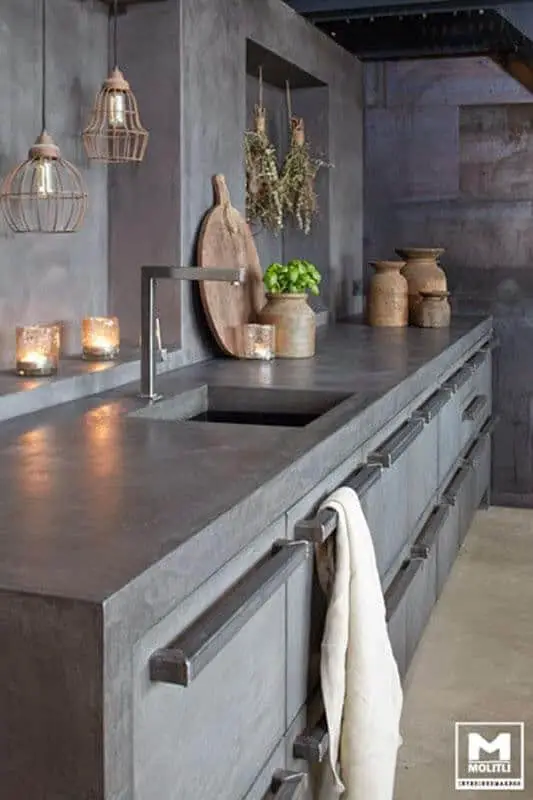
Concrete kitchens are making a bold statement in modern home design. The raw, urban look of concrete brings a timeless quality that few other materials can match. Concrete surfaces offer both beauty and function, giving your kitchen a unique character while standing up to daily cooking demands. You can customize concrete in many ways – from polished countertops to textured floors or industrial-style walls.
Your concrete kitchen can be as unique as you are. Many homeowners are now choosing concrete benchtops as the centerpiece of their cooking space. These sturdy surfaces handle everything from hot pots to messy baking sessions. You might be surprised by how versatile concrete can be, with options for different finishes, colors, and textures to match your personal style.
Kitchen design with concrete elements creates a perfect balance between industrial edge and warm functionality. You can soften concrete’s look by pairing it with wood accents, colorful cabinets, or metal fixtures. Whether you’re planning a full concrete kitchen or just adding a concrete countertop, this material brings durability and style that will last for years to come.
Why Choose a Concrete Kitchen?
Concrete kitchens offer exceptional practicality while making a bold design statement in your home. They combine industrial charm with modern functionality that works in various home styles.
Durability and Longevity
Concrete countertops and kitchen features stand the test of time like few other materials. Unlike laminate or some woods, concrete resists scratches, heat damage, and daily wear.
When properly sealed and maintained, your concrete kitchen surfaces can last for decades. This makes them a smart long-term investment for your home.
The material's natural strength means you won't need to worry about cracks or chips from normal kitchen activities. Drop a heavy pot? Your concrete countertop will likely survive without issue.
Many homeowners appreciate that concrete actually improves with age. The natural patina that develops over years gives your kitchen character and warmth that manufactured materials can't match.
Distinctive Modern Aesthetic
Concrete brings a unique visual appeal that sets your kitchen apart. The material offers a sophisticated industrial look that feels both contemporary and timeless.
You can customize concrete's appearance in ways other materials don't allow. Options include:
- Color variations: From light gray to charcoal or even tinted hues
- Finishes: Polished, honed, or textured surfaces
- Embedded items: Glass pieces, stones, or other decorative elements
The clean lines and minimalist appearance of concrete work beautifully in modern kitchens. Yet they can also complement farmhouse or industrial design styles.
Concrete creates a neutral backdrop that lets your other design elements shine. Your colorful dishes, appliances, or artwork will pop against the subtle tones of concrete surfaces.
Easy Customization Options
Your concrete kitchen can be truly one-of-a-kind with endless customization possibilities. Unlike prefabricated options, concrete can be molded to fit any space perfectly.
You can create unique shapes and features:
- Seamless integrated sinks
- Custom edges and thicknesses
- Built-in drainage boards
- Personalized textures
The adaptability of concrete means you're not limited to standard sizes. This is especially helpful in older homes or spaces with unusual dimensions.
Want to incorporate practical elements? Consider adding:
- Embedded trivets for hot pots
- Built-in cutting boards
- Custom knife slots
- Integrated soap dishes
Concrete also works wonderfully with other materials. You can combine it with wood, metal, or glass for a kitchen that perfectly reflects your personal style and functional needs.
Exploring Concrete Countertops for Your Kitchen
Concrete countertops offer a perfect blend of durability and style for modern kitchens. They can be customized to fit any design aesthetic while providing a unique surface that stands out from traditional options.
Material Choices and Finishes
Concrete countertops come in two main types: precast and poured-in-place. Precast countertops are made off-site in a workshop and installed in your kitchen when ready. This option gives you better quality control and fewer disruptions in your home.
Poured-in-place countertops are created directly in your kitchen. This method ensures a perfect fit but requires more skill and can be messier during installation.
For finishes, you can choose between:
- Polished: Smooth, shiny surface
- Honed: Matte finish with subtle texture
- Pressed: Textured with visible aggregate
Each finish affects not just appearance but also maintenance needs. Polished surfaces show fewer water spots but might be more slippery when wet. Honed finishes offer a more natural look that many homeowners prefer for rustic kitchen designs.
Sealing and Maintenance Tips
Proper sealing is essential for concrete countertops. Without it, your counters will stain easily and absorb liquids. Apply a high-quality food-safe sealer immediately after installation.
Most experts recommend resealing every 1-3 years depending on use. Watch for signs like water no longer beading on the surface, which indicates it's time to reseal.
Daily maintenance is simple:
- Wipe spills immediately, especially acidic substances like lemon juice
- Clean with mild soap and water
- Avoid harsh chemicals or abrasive cleaners
- Use cutting boards to prevent scratches
For tough stains, make a paste with baking soda and water. Apply it to the stain, cover with plastic wrap, and let it sit overnight. Then rinse with clean water.
Color and Texture Ideas
Concrete countertops offer nearly unlimited color options. You can add pigments to the mix for:
- Soft whites and creams
- Earth tones like tan and brown
- Bold colors like blue or green
- Industrial grays and charcoals
Texture adds another dimension to your countertops. Consider embedding decorative elements like:
- Glass fragments for sparkle
- Stone pieces for natural accents
- Shells for coastal themes
- Metal flakes for industrial appeal
Many homeowners choose to stamp patterns into their concrete or add decorative edges. Some even embed functional elements like trivets or drain boards directly into the countertop design.
The color you choose can dramatically change your kitchen's feel. Lighter colors make spaces feel larger, while darker tones create a more intimate setting.
Integrating Concrete Countertops With Other Materials
Concrete pairs beautifully with other kitchen materials. Try combining it with:
Wood: The warmth of wooden cabinets or shelving balances concrete's industrial feel. A butcher block section integrated into your concrete counter creates a functional workspace with visual interest.
Metal: Stainless steel appliances and fixtures complement concrete's modern appeal. Consider metal edge banding on your concrete counters for a sleek, finished look.
Tile: Ceramic or glass backsplashes create striking contrasts with concrete surfaces. Choose colors that either complement or intentionally contrast with your counter color.
Stone: Natural stone elements like marble or granite can be used for accent areas alongside concrete, giving you the best of both worlds.
When planning your kitchen renovation, think about how the concrete will interact with your existing fixtures. The thickness of your countertop affects its appearance – thinner edges (1.5") look more modern, while thicker edges (3"+) create a more substantial presence.
Creative Concrete Kitchen Layouts and Styles
Concrete kitchens offer versatility and durability while creating stunning visual impacts. These spaces combine practical functionality with modern aesthetics that can adapt to various design preferences.
Modern Concrete Kitchens
Modern concrete kitchens embrace clean lines and industrial elements. They typically feature polished concrete countertops paired with sleek cabinetry. According to home design trends, about 60% of home buyers now prefer these modern finishes.
You can enhance your modern concrete kitchen with:
- Metal open shelving for an industrial touch
- Large concrete islands as statement pieces
- Floor-to-ceiling concrete accent walls
- Minimalist hardware and fixtures
Lighting plays a key role in modern concrete kitchens. Consider pendant lights hanging over your concrete island to create visual interest and warm up the space.
For color balance, try pairing gray concrete with warm wood tones. This combination softens the industrial feel while maintaining a contemporary look.
Minimalist Concrete Kitchen Designs
Minimalist concrete kitchens focus on simplicity and function. They eliminate visual clutter and highlight the natural beauty of concrete surfaces. The goal is to create a calm, organized space.
Key elements of minimalist concrete kitchens include:
- Hidden storage solutions
- Handleless cabinets
- Single-tone color schemes
- Limited decorative elements
Your concrete floors can become a blank canvas in minimalist designs. Consider adding subtle staining or sealing techniques that enhance the natural variation in the concrete without adding busy patterns.
Wall-mounted concrete shelves offer practical storage while maintaining clean lines. They work especially well when kept sparse with only essential items displayed.
Farmhouse Style With Concrete Elements
Farmhouse kitchens with concrete elements blend rustic charm and modern durability. You can incorporate concrete countertops with worn edges to create a lived-in feel that complements traditional farmhouse elements.
Try these farmhouse-concrete combinations:
- Concrete sinks with apron fronts
- Stamped concrete floors that mimic traditional materials
- Concrete counters paired with shiplap walls
- Open concrete shelving holding vintage dishware
Wood accents warm up the concrete in farmhouse designs. Consider reclaimed wooden beams against concrete ceilings or wooden open shelving against concrete walls.
For color, soft neutrals work best in farmhouse concrete kitchens. Think cream-tinted concrete or concrete with subtle warm undertones that complement the natural elements in your farmhouse design.
Smart Storage and Functional Features
A concrete kitchen needs thoughtful storage solutions to maintain its clean, minimalist appeal. Smart organization keeps your space functional while showcasing the beauty of concrete surfaces.
Cabinets and Shelves
Open shelving works beautifully in concrete kitchens, creating visual interest against concrete walls or backsplashes. Install floating concrete shelves for a seamless look that shows off your favorite dishware or plants.
For closed storage, consider cabinets with:
- Handle-free designs with push-to-open mechanisms
- Matte finishes that complement concrete textures
- Pull-out organizers to maximize interior space
Mix and match open and closed storage for balance. Place everyday items on open shelves and hide less attractive necessities behind cabinet doors.
Use vertical space effectively by extending cabinets to the ceiling. This creates more storage without cluttering your floor plan. Add slim pull-out pantries between appliances for spices and cooking oils.
Consider concrete cabinet fronts for a truly cohesive look, or contrast with warm wood tones to soften the industrial feel.
Hanging Pot Racks and Accessory Placement
Hanging pot racks serve dual purposes in concrete kitchens – they provide practical storage while adding visual interest to the space. Install a simple metal rack above your island or near the cooking zone for easy access to frequently used pots and pans.
Choose racks that match your:
- Faucet fixtures
- Cabinet hardware
- Lighting elements
Wall-mounted magnetic knife strips save counter space and create an artistic display of your culinary tools. Position these strips within easy reach of your main prep area.
Hook systems under shelves offer perfect spots for mugs and utensils. This approach frees up drawer space while keeping items accessible during cooking.
For smaller kitchens, consider a ceiling-mounted grid system where you can hang both pots and lighting fixtures, making the most of overhead space.
Optimizing the Galley Layout
Galley kitchens paired with concrete elements create efficient cooking spaces that feel larger than they are. The key is maintaining adequate clearance – aim for at least 42 inches between counters for comfortable movement.
Storage tip: Use both sides of your galley efficiently. Dedicate one wall to cooking functions (stove, prep area) and the opposite to cleaning and storage (sink, dishwasher, refrigerator).
Install sliding cabinet doors in narrow galleys to eliminate the clearance needed for swinging doors. Consider these smart additions:
- Pull-out corner units that maximize awkward spaces
- Toe-kick drawers for rarely used items
- Vertical dividers for baking sheets and cutting boards
Under-cabinet lighting is essential in galley layouts, eliminating shadows and highlighting concrete textures. For extra workspace, add a rolling cart that can be tucked away when not in use.
Bringing Concrete Beyond the Indoors
Concrete's versatility makes it perfect for extending your kitchen design to outdoor spaces. The material stands up to weather while maintaining its sleek, modern appeal in any environment.
Designing a Durable Outdoor Kitchen
An outdoor concrete kitchen combines beauty with practicality. Start with a solid concrete countertop that can handle everything from summer heat to winter frost. Choose a sealer specifically designed for outdoor use to protect against stains and weather damage.
Build your cooking area around a concrete island that includes:
- Built-in grill space
- Food prep zones
- Storage cabinets
For added durability, consider polished concrete finishes that resist water spots and UV fading. You can also embed heating elements within concrete counters to make outdoor cooking comfortable even in cooler weather.
Remember that proper drainage is essential. Slope your concrete surfaces slightly to prevent water pooling after rain. This small detail will extend the life of your outdoor kitchen significantly.
Choosing the Right Concrete Floors
Concrete floors bring the same benefits outdoors as they do inside - durability, low maintenance, and style. For outdoor kitchens, texture is key. You'll want a slightly rougher finish to prevent slips when the surface gets wet.
Consider these concrete floor options:
- Stamped concrete - Creates patterns that mimic stone or brick
- Stained concrete - Adds rich color that won't fade in sunlight
- Exposed aggregate - Reveals small stones for natural texture
The right concrete floor connects your outdoor kitchen to the rest of your yard. You can extend the same concrete treatment to pathways or patio areas for a cohesive look.
Test your concrete floor samples in direct sunlight before committing. Some darker colors can get uncomfortably hot during summer months. Lighter tones reflect heat better, keeping your outdoor cooking space comfortable.
Frequently Asked Questions
Concrete kitchens offer durability and style, but many homeowners have questions before taking the plunge. These FAQs address common concerns about design, maintenance, material selection, installation, and creative possibilities.
What are some of the best design practices for integrating concrete elements in kitchen interiors?
When integrating concrete into your kitchen, balance is key. Pair concrete countertops with warmer elements like wood cabinets or colorful backsplashes to avoid a cold, industrial feel.
Use concrete as a feature rather than the dominant material. A concrete island surrounded by different materials creates a focal point without overwhelming the space.
Consider polished concrete for a more refined look or sealed concrete with visible aggregates for textural interest. The finish you choose dramatically affects the final appearance.
Lighting plays a crucial role with concrete elements. Install under-cabinet lighting to highlight the texture and depth of concrete countertops or floors.
Can you give tips on maintaining a concrete kitchen floor to keep it looking its best?
Seal your concrete floor properly when it's installed. This creates a protective barrier against stains, moisture, and daily wear and tear.
Clean spills immediately, especially acidic substances like vinegar or lemon juice that can etch the surface. Use pH-neutral cleaners rather than harsh chemicals.
Sweep or vacuum regularly to prevent dirt and grit from scratching the surface. A microfiber mop with warm water works well for routine cleaning.
Reapply sealer every 1-3 years depending on foot traffic. You'll know it's time when water no longer beads on the surface.
Avoid dragging heavy furniture across concrete floors. Use furniture pads to prevent scratches and chips that can be difficult to repair.
How do we decide between concrete and other materials for our kitchen countertops and flooring?
Consider your lifestyle first. Concrete works well for busy kitchens but requires more maintenance than quartz or solid surface options.
Evaluate your budget carefully. While concrete materials themselves are affordable, professional installation can make the total cost comparable to granite or engineered stone.
Think about your design goals. Concrete offers unique customization options like embedded objects, pigments, and various textures that aren't possible with other materials.
Weigh durability needs against maintenance willingness. Concrete is strong but can chip and needs regular sealing, unlike low-maintenance quartz.
Factor in your home's overall style. Concrete fits beautifully in modern, industrial, or farmhouse designs but might look out of place in very traditional kitchens.
Could you walk us through the process of installing concrete slabs for a kitchen project?
Start with precise measurements and template creation. For countertops, professionals typically create wooden forms that match your kitchen's exact dimensions.
The concrete is mixed with additives for strength and often includes reinforcement like fiber or rebar. Pigments can be added at this stage for color.
For precast countertops, the mixture is poured into the forms in a workshop, allowed to cure, then transported to your home. For floors, the concrete is usually poured directly on site.
After initial curing (about a week), the concrete is ground and polished to the desired finish. This process reveals any aggregates and creates a smooth surface.
Finally, a sealer is applied to protect the concrete from stains and moisture. This is a crucial step that affects both appearance and longevity.
What are the benefits of choosing concrete cabinets for a modern kitchen makeover?
Concrete cabinets offer unmatched durability compared to wood or MDF options. They resist moisture damage, making them ideal for busy kitchen environments.
Their distinctive look creates a statement piece in your kitchen. The natural variations in concrete give each cabinet a unique character that mass-produced options can't match.
They provide excellent thermal mass, helping to regulate kitchen temperature. This can be especially beneficial in homes with passive solar design.
Concrete cabinets can be cast in virtually any shape or size, allowing for truly custom designs that fit your specific space and needs.
Their fire-resistant properties add an extra layer of safety to your kitchen, unlike wood cabinets that can contribute to fire spread.
Are there creative ways to mix concrete with other materials to enhance the aesthetic of my kitchen?
Pair concrete countertops with warm wood cabinets to balance the cool, industrial feel of concrete with natural warmth. This contrast creates visual interest.
Incorporate metal accents like brass or copper fixtures against concrete surfaces. The shine of metal against the matte texture of concrete creates a sophisticated look.
Use glass inserts or shelving alongside concrete elements to add lightness. Glass backsplashes behind concrete counters prevent the space from feeling too heavy.
Add textile elements through upholstered bar stools or window treatments to soften the hardness of concrete. This creates a more welcoming atmosphere.
Consider leather drawer pulls on concrete cabinets for a touch of luxury. The patina that both materials develop over time creates a cohesive, lived-in feel.