


Ever wonder if you could paint something you’d actually want to hang at home? I remember picking up a brush for the first time and realising how simple tools and a few easy techniques could turn blank canvas into art without expensive materials or training.
I’ve seen so many people unlock their creativity by starting with designs that build confidence, from colourful abstracts to simple landscapes and florals. In this guide, I’ll show you beginner-friendly ideas, basic brushstrokes, and forgiving techniques that help you create pieces you’ll genuinely love.
Easy Canvas Painting Ideas

#1 Deer Silhouette Canvas Art Above Rustic Wooden Bench
The striking canvas artwork of a deer head against a black background brings a bold touch to your space. I love how it integrates with a rustic wooden bench, enhancing a natural aesthetic. For easy canvas painting ideas, consider using simple silhouettes to capture that wilderness vibe effortlessly. It’s a great way to start your artistic journey.

#2 Geometric Canvas Art Complements Mid-Century Modern Sideboard Design
The mid-century modern sideboard with its rich walnut finish brings warmth to the room, harmonizing beautifully with the geometric painting above. I recommend exploring easy canvas painting ideas to create your unique art piece that complements this decor. The turquoise lamp adds a fresh touch while keeping the space inviting.
Creating your own cute easy paintings can elevate your home’s style. Consider choosing colors that resonate with your furniture for a cohesive look. Simple designs can make a big impact and personalize your space.

#3 Vibrant Pineapple Artwork Against Bold Black And White Stripes
The vibrant pineapple artwork against bold black and white stripes can truly transform your kitchen. It adds a lively touch and serves as a delightful conversation starter. For an easy canvas painting idea, consider using acrylics to capture that tropical feel in your own space. This fresh piece can inspire a cheerful atmosphere.
Adding similar colors to your decor can create a cohesive look. Pair it with light wood or natural materials for balance. An inviting, sunny vibe makes your home feel more welcoming, especially in dining areas.

#4 Geometric Canvas With Pastel Triangles and Glitter Accents
Creating a canvas with geometric shapes in soft pastels brings a fresh vibe to any room. I love how the pinks, blues, and yellows blend, making it perfect for a child’s space. Easy canvas painting ideas like this one can truly brighten your home while being a fun project to tackle. Consider incorporating a glitter accent for added depth. It’s a simple way to elevate your artwork and engage the little ones in a creative activity. You’ll enjoy the process as much as the finished piece!

#5 Desert Landscape Canvas Featuring Sunset Over Cacti Silhouettes
The vibrant sunset in this desert landscape, with its rich purples, oranges, and yellows, inspires me deeply. I can almost feel the serenity of those tall saguaro cacti silhouetted against the glowing horizon. For your own canvas, consider using similar warm hues to evoke that peaceful atmosphere. Easy canvas painting ideas can truly transform your space.
Start with a simple gradient background, blending those colors seamlessly. This approach not only captures the beauty of nature but also allows your creativity to shine effortlessly.

#6 Seascape With Silhouetted Lighthouse Against Vibrant Sunset Hues
Creating a seascape painting can transform your space into a tranquil retreat. The vibrant reds, pinks, and blues can evoke calmness, especially with a silhouetted lighthouse. Consider using easy canvas painting ideas to bring this serene coastal vibe into your home. A simple palette can make a striking impact.
If you’re a beginner, start with step-by-step painting guides to achieve your vision. It’s rewarding to see your artwork reflect the beauty of the ocean and sky. Easy canvas painting ideas can inspire your creativity and brighten your living area.

#7 Landscape Painting Of A Night Sky With Flowing Waves Of Color
The deep purples and blues of a night sky create a calming backdrop in this landscape painting. Tall evergreens stand out, adding depth and contrast. For your own space, consider easy canvas painting ideas that evoke similar tones, bringing tranquility into your home. Simple brush strokes can capture this serene beauty perfectly.
Use large canvases to make a bold statement. Try blending colors like deep blue and rich brown to mimic nature’s hues. With easy canvas painting ideas, you can transform any room into a peaceful retreat. Your walls can reflect the tranquility of the outdoors beautifully.

#8 Dynamic Wave Art In Vibrant Blue Tones For Coastal Decor
The vibrant blue tones of a wave painting can truly transform a space, bringing a coastal vibe to your home. I love how this abstract design captures the energy of the ocean, making it a dynamic focal point. For an easy canvas painting idea, try replicating a simple wave pattern to enhance your decor.
As you paint, focus on blending shades of blue and white to mimic the movement of water. This beginner canvas painting idea not only brightens your room but also invites a calming atmosphere. Let your creativity flow as you create art that resonates with your personal style.
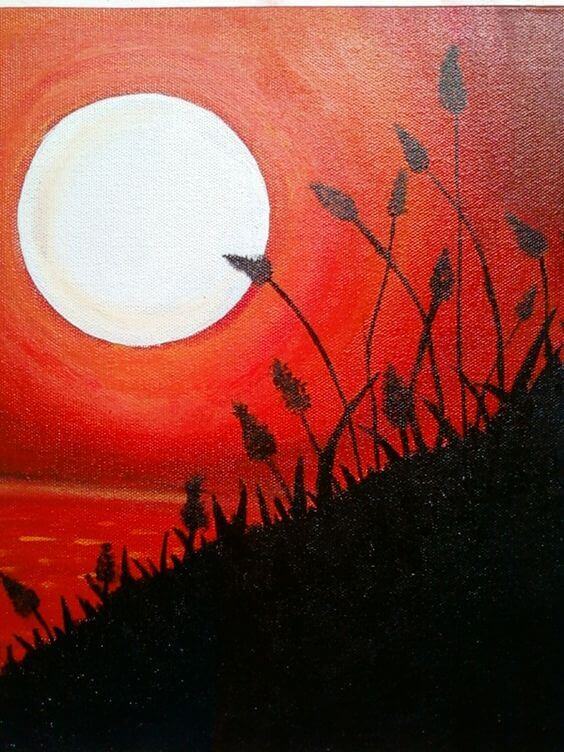
#9 Vibrant Sunset Canvas Painting With Fiery Red And Orange Sky
The sunset painting beautifully captures a large white sun against a fiery red and orange sky. The tall silhouettes of grass add depth and contrast, creating warmth. I recommend using easy canvas painting ideas to recreate this tranquil scene in your home. It’s perfect for bringing vibrant energy indoors.
With simple step-by-step techniques, you can evoke that dramatic feeling in your space. Consider using warm colors to enhance the inviting atmosphere. Your walls will radiate with that sunset glow, making every moment feel special.

#10 Ocean Art With Vibrant Waves And A Calming Sunset Glow
The vibrant waves in shades of turquoise and blue bring a lively energy to your space, perfectly capturing the essence of ocean art. I suggest using easy canvas painting ideas to recreate this dynamic look at home. Consider blending warm hues for a sunset effect, which adds warmth and tranquility to your decor.
For a beginner canvas painting, focus on simple brush techniques to create depth and movement within the waves. This project not only enhances your home but also allows you to express your creativity with ease.

#11 Vibrant Waterfall Painting With Autumn Foliage Accents
A waterfall painting brings a lively cascade to your space, with blues flowing alongside vibrant autumn hues. This artwork has a dynamic presence that can elevate any room. For beginners, creating easy canvas painting ideas like this can add a serene touch to your home while enhancing its natural beauty.
Let the movement of water inspire your brush strokes. Using simple techniques, you can achieve depth and tranquility, making it a perfect project for DIY canvas art easy to execute.

#12 Stylized Elephant Head Artwork With Floral Patterns And Gold Accents
The elephant artwork brings a sophisticated touch to any space with its intricate gray tones and gold detailing. The deep blue background enhances its charm, making it an eye-catching focal point. For an easy canvas painting idea, consider creating a similar piece that captures your personal style. This will blend seamlessly into your decor while showcasing your creativity.
Start with simple shapes and colors, layering them for depth. Embrace the journey of painting as a form of expression, and soon you’ll find joy in every brushstroke.

#13 Vibrant Guitar Canvas Painting With Decorative Vases In Focus
The vibrant guitar painting in yellow against that deep purple backdrop truly captivates the room. I love how the clear blue vase complements the artwork, adding a refreshing touch. For your own space, consider using easy canvas painting ideas to create similar focal points, enhancing the overall ambiance with simple DIY projects.
Adding a patterned vase can also introduce texture, balancing color beautifully. These decorative elements can transform any space, making it feel more personal and inviting.

#14 Whimsical Moon Canvas Art With Playful Script And Soft Clouds
Creating a cozy space is easy with canvas art like this vibrant piece featuring a pink gradient and a whimsical moon. It adds warmth and personality to your walls. I recommend trying easy canvas painting ideas to create your own unique art. Personal touches in your decor can truly transform a room into your haven.
A playful phrase like “I love you to the moon and back” can enhance the sentiment of your space. Consider placing it above a couch or bed for a striking focal point. Embrace your creativity and enjoy the process; it’s all about making your home feel inviting.

#15 Vibrant Abstract Canvas Art With Turquoise And Gold Hues
The vibrant turquoise, blue, and gold colors of the abstract wall art create a stunning focal point in your living space. Set against a muted beige wall, it brightens the room beautifully. To enhance this look, consider easy canvas painting ideas that you can try yourself, making your decor truly personal. A small potted plant with lush green leaves adds a touch of nature, while a decorative bird figurine on the white mantel complements the modern aesthetic. This serene vibe is perfect for a cozy den or living room, inviting creativity and warmth into your home.

#16 Vibrant Surfboard Against Bright Blue Sky And Tropical Palm Fronds
The vibrant pink surfboard stands out beautifully against the bright blue sky and ocean. This piece captures the essence of coastal living, inviting a playful yet serene atmosphere. For your own space, consider creating easy canvas paintings inspired by this theme. Simple shapes and colors can bring that laid-back beach vibe home. You can explore easy canvas painting ideas that reflect your personal style. Using acrylics, try blending colors to mimic ocean waves or sunset skies. This approach not only enhances your decor but also makes for a relaxing DIY project.

#17 Dandelion Canvas Painting With Delicate White Flowers
The dandelion art, with its delicate white flowers against a soft gray and beige backdrop, adds a serene touch to any space. I recommend trying easy canvas painting ideas like this for beginners. It can beautifully complement modern or minimalist interiors, creating a calm yet dynamic atmosphere that feels inviting.
Consider using acrylics for vibrant colors to enhance your artwork, making it a perfect focal point in your home. With just a few strokes, you can bring life and personality to your walls.

#18 Minimalist Black Canvas With White Crescent Moon And Pine Trees
The striking black canvas with white silhouettes of a crescent moon and pine trees creates a serene ambiance in any room. I love how this easy canvas painting idea can bring tranquility to your space. Consider placing it in a bedroom or children’s room to enhance the calming atmosphere.
Using simple, bold colors makes it approachable for beginners. This minimalist artwork is not just visually pleasing but also perfect for DIY enthusiasts like you. Embrace the joy of creating art that resonates with your personal style.

#19 Vibrant Daisy Painting With Turquoise Background For Cheerful Spaces
The daisy painting brings a cheerful touch to any space with its vibrant white flowers set against a soothing turquoise background. I love how such a simple piece can brighten up a room. For easy canvas painting ideas, consider using acrylics to capture textures and colors, creating your own unique art that complements your decor.
A small canvas like this, around 10 inches tall, works beautifully in cozy nooks or as part of a gallery wall. It’s a fantastic way to express your creativity while enhancing the ambiance of your home.

#20 Vibrant Teal Canvas Painting Enhances Modern Bathroom Decor
The vibrant painting in teal shades adds a refreshing touch to your bathroom. Pair it with gray and white striped towels for a cohesive look. To recreate this atmosphere, consider exploring easy canvas painting ideas that embody calmness and style. A well-chosen art piece can transform your space beautifully.

#21 Stylized Tree Artwork With Swirling Leaves In Gray And Yellow
The tree artwork, with its swirling leaves in shades of gray, white, and yellow, adds a unique charm to your living space. I recommend using easy canvas painting ideas to create your own version. This piece can truly transform a room, especially when paired with bright or neutral decor.
For a personal touch, consider experimenting with textured paint techniques. This not only enhances depth but also makes your artwork feel more inviting. A large canvas can serve as a stunning focal point, perfect for living rooms or bedrooms.

#22 Stylized Owl Artwork With Gold Paint On Vibrant Background
The vibrant blue and green background makes the stylized owl artwork truly stand out. Its gold accents add a playful touch, making it perfect for a living room or children’s space. For easy canvas painting ideas, consider using bold colors to create similar focal pieces that enhance your decor without overwhelming the room. A neutral wall can beautifully highlight such colorful artwork. When choosing your canvas, focus on sizes that fit your space well, ensuring they complement existing decor. Embrace your creativity with easy canvas ideas for beginners and let your personality shine through.

#23 Vivid Blue Flower Painting With A Whimsical Ladybug Perched
A vibrant blue flower painting can bring such joy to your space. The deep blue petals and warm brown center create a lovely contrast, while the sunny yellow background brightens the room. For easy canvas painting ideas, consider using simple brush strokes to mimic this style and add a touch of whimsy, like a ladybug.
Using vivid colors can really uplift your decor. Try this technique on a larger canvas to make a bold statement in your home. As a beginner, remember, it’s all about having fun and expressing your creativity through easy canvas painting ideas.
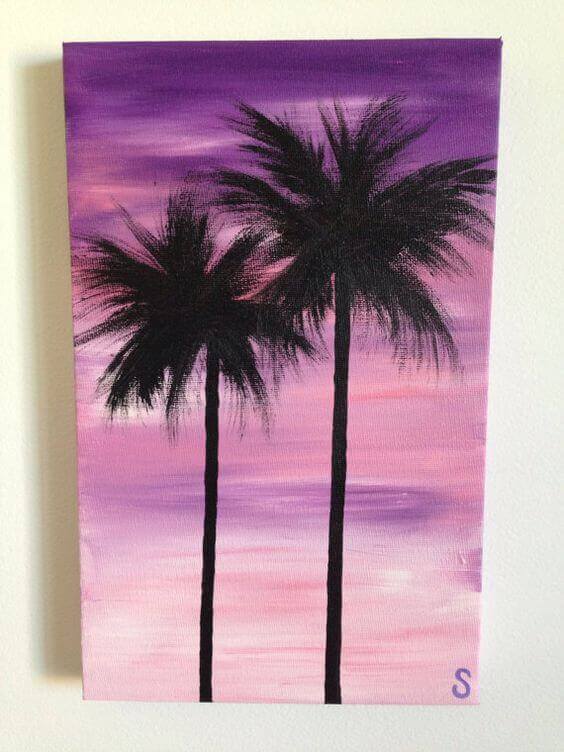
#24 Abstract Canvas Artwork Of Palm Trees In Vibrant Purple And Pink
The vibrant artwork of two palm trees against a gradient of purple and pink hues brings a tropical vibe to your space. Using easy canvas painting ideas, you can create similar pieces that enhance your home’s ambiance. Choose bright acrylics to reflect natural light and evoke a coastal feel. It’s a delightful way to express your creativity.
As you explore beginner canvas painting ideas, consider the size and layout that best suits your wall. This abstract style simplifies the process, making it accessible for everyone. You’ll enjoy the transformation it brings to your home, adding a personal touch to your decor.

#25 Whimsical Ostrich Canvas Painting in Bright Purple and Pink
The whimsical design of the hanging ostrich brings a playful touch to any space. With vibrant shades of purple, pink, and yellow, it creates an inviting atmosphere perfect for children’s rooms. For easy canvas painting ideas, try similar bold colors to infuse joy into your decor. Your art can truly brighten up a room.
Using acrylics ensures durability and easy upkeep, making your creations last longer. Experiment with large canvases for a striking focal point that draws the eye and sparks conversation. Your home deserves that splash of creativity and warmth.

#26 Vibrant Ocean Sunset With Sailboat On Calm Waters
The ocean sunset painting beautifully captures a sailboat on calm waters, with a warm gradient of deep red to soft orange in the sky. This tranquil scene invites a coastal vibe into your home. For easy canvas painting ideas, consider using similar warm colors to create a soothing atmosphere in your space. To enhance your decor, choose a small canvas and replicate the serene turquoise water. This beginner canvas painting idea allows you to express creativity while adding a personal touch to your home.

#27 Stylized Birds Silhouetted Against Soft Pink And Green Sunset
The artwork of two birds silhouetted on a wire against a soft pink and green backdrop creates a serene atmosphere. I love how the minimalistic black outlines of trees enhance the natural theme. For your own space, consider easy canvas painting ideas that reflect this tranquility, inviting warmth into your home.
Start with simple shapes and colors that resonate with you. This can make any room feel more connected and inviting, just like this beautiful piece.

#28 Shark Emerging From Waves In Coastal Inspired Canvas Painting
The shark painting captures the essence of coastal living beautifully, with a great white shark rising from a vibrant blue wave. The contrast of darker blues against the shark’s gray and white creates movement, making it perfect for a nautical-themed space. Easy canvas painting ideas like this can elevate your decor effortlessly.
Consider placing this artwork in a sunlit area to enhance its dramatic effect. The ocean-inspired colors can inspire you to try more easy canvas ideas for beginners, bringing a refreshing vibe to your home.

#29 Whimsical Halloween Canvas Art Featuring Ghosts And Pumpkins
Creating Halloween wall art is a delightful way to bring the festive spirit into your home. A whimsical design featuring a cartoonish ghost and a carved pumpkin can make any space feel cheerful and inviting. For an easy canvas painting idea, consider using bright colors on a dark background to capture attention. This playful decor can transform your living room beautifully.
To enhance the look, try hanging it in a well-lit entryway, where it can greet guests. Remember, simple elements like twisted tree branches can add a touch of spookiness, making your home feel festive and vibrant.

#30 Motivational Canvas Art With Glittery Script And Heart Design
Decorative wall art can truly transform a space, and I love how this piece features the phrase ‘be you tiful’ on a white canvas. The shimmering glitter adds a playful elegance, making it perfect for a bedroom or workspace. Consider using easy canvas painting ideas to create a personalized touch that reflects your style.
A simple painted canvas can enhance your home’s ambiance. Incorporating colors that resonate with you will make any area feel inviting and warm. Think about using bold scripts and playful accents, as they can elevate your decor effortlessly.

#31 Cosmic Canvas Art Featuring Vibrant Colors And Star Patterns
The striking black triangle against a cosmic background of purples, blues, and reds creates an eye-catching focal point. For easy canvas painting ideas, consider using bold colors to evoke a sense of wonder. Adding white star patterns can enhance depth and interest, making your artwork feel alive and inviting.
If you’re a beginner, start with simple shapes and let your creativity flow. Embrace the process and allow your canvas to reflect your personality. Easy canvas painting can truly transform your space and uplift your mood.

#32

#33 Water Lilies Reflecting Serenity In A Tranquil Pond Scene
The serene pond scene with vibrant pink water lilies invites tranquility into your home. The soothing blues and purples create a peaceful atmosphere, perfect for relaxation. I suggest trying easy canvas painting ideas like this for a calming focal point. This artwork can really enhance a cozy living space and inspire creativity.

#34 Luminous Moon Over Calm Waters With Gradient Sky Colors
The luminous moon against that gradient sky creates a beautiful backdrop, don’t you think? The dark green grass and silhouettes of reeds add depth and frame the scene perfectly. For your canvas painting, try blending pink and blue to capture that serene mood. Easy canvas painting ideas can really brighten up your space.
Imagine how calming a similar piece would feel in your home. Using bold brush strokes can evoke the same tranquility. A large canvas with these hues can transform any room, offering an inviting atmosphere.

#35 Swinging Peacefully Under Cherry Blossoms By A Calm River
The swing hanging from the cherry blossom tree creates a stunning focal point, adorned with vibrant pink flowers. I suggest using easy canvas painting ideas to capture this serene scene. Consider using soft pastels for the petals and muted greys for the background, which will evoke tranquility and beauty in your space.
To enhance the ambiance, think about adding subtle lighting to highlight your canvas art. This will create a warm, inviting atmosphere that encourages relaxation and appreciation for the beauty of nature. Embracing these easy canvas ideas for beginners can transform your home into a peaceful retreat.

#36 Abstract Cross Canvas Art With Teal, Green, And White Textures
The calming blend of teal and green in this abstract cross painting sets a serene atmosphere. The textured white cross adds a lovely focal point, perfect for any space. As you consider easy canvas painting ideas, think about using soft colors to create a similar peaceful vibe in your home. It’s all about making art that speaks to you.
Easy Canvas Painting Ideas for Beginners
Starting with canvas painting doesn’t require expensive supplies or years of training. You can create beautiful artwork using basic acrylics, a few brushes, and simple techniques like color blending and dotting.
Step-by-Step Easy Canvas Projects
Sunset scenes work perfectly for your first canvas project. I’ve taught dozens of couples this technique for DIY wedding décor, and it never fails.
Start by dividing your canvas into three horizontal sections. Paint orange at the bottom, then blend into pink in the middle, and finish with purple at the top. You just need three colors and a wide brush to create smooth transitions.
Abstract geometric designs give you another foolproof option. Use painter’s tape to create triangle or square patterns on your canvas. Paint each section a different color, then peel the tape away once dry. The clean lines make your work look professional even on your first try.
Simple tree silhouettes over gradients create stunning results. Paint your background first using the sunset technique above. Once it dries completely, use a small brush with black paint to add a tree trunk and branches. You don’t need perfect lines since real trees have irregular shapes.
Polka dot patterns require just a round sponge or the end of a paintbrush. Pick three to four colors that work well together. Dip your tool in paint and press it onto the canvas in a random or organized pattern. This technique takes about 20 minutes from start to finish.
Small Canvas Painting Inspirations
Mini quote canvases (4×4 or 5×7 inches) make great gifts and practice pieces. Paint the background in a solid color or simple gradient. Once dry, use a pencil to lightly sketch your favorite short phrase. Fill in the letters with a contrasting color using a fine brush.
Small canvases cost less and dry faster. You can finish multiple pieces in one afternoon.
Floral designs work beautifully on compact surfaces. Paint simple five-petal flowers using circular brush strokes. Add a yellow center dot and green stems. I’ve used this exact technique to create 50 table number displays for wedding receptions.
Single object paintings help you focus on one skill at a time. Try painting a coffee cup, cactus, or mountain range on a small canvas. These subjects have basic shapes that you can master quickly.
Ombre backgrounds create elegant small pieces. Choose two colors that blend well together. Paint your lighter color at the top, your darker color at the bottom, and blend them in the middle while still wet. This technique looks expensive but takes about 10 minutes.
Simple and Cute Painting Ideas
Heart shapes never go out of style. Paint your canvas background first, then use a different color to add heart outlines or filled hearts. You can arrange them in a pattern or scatter them randomly across the surface.
Rainbow stripes bring cheerful color to any room. Use painter’s tape to mark seven horizontal sections. Paint each stripe a different rainbow color from top to bottom. The tape creates perfect edges that look clean and intentional.
Animal silhouettes add personality without requiring drawing skills. Print a simple outline of a butterfly, bird, or elephant. Trace it onto your painted background, then fill it in with a contrasting color. Butterfly paintings work especially well for nurseries and spring-themed events.
Starry night skies need just two colors plus white. Paint your canvas dark blue or black. Once dry, use the end of a paintbrush to dot white paint across the surface for stars. Add a few larger dots for extra dimension.
Beach scenes require minimal detail. Paint the bottom half beige for sand and the top half blue for sky. Add a white circle for the sun and some curved lines for waves. You’ve created a peaceful coastal scene in under 30 minutes.
DIY Art Projects for Any Skill Level
Large canvas abstract paintings (16×20 inches or bigger) give you room to experiment. Pour small amounts of different colored paint directly onto your canvas. Use a palette knife or old credit card to spread and blend the colors. This technique creates unique results every single time.
Acrylic pour paintings produce professional-looking results without brushwork. Mix your acrylic paints with pouring medium according to package directions. Pour the colors onto your canvas and tilt it to spread the paint. The colors blend and create organic patterns naturally.
Textured paintings add depth to simple designs. Mix sand, modeling paste, or fabric into your paint before applying it to canvas. You can also use bubble wrap, sponges, or crumpled paper to create interesting surface patterns.
Tape resist techniques work on any canvas size. Create patterns with painter’s tape or masking tape on your blank canvas. Paint over everything, let it dry, then remove the tape to reveal clean shapes underneath. This method guarantees sharp lines even if you have shaky hands.
The best paints for starting out are basic acrylic sets from craft stores. You need red, blue, yellow, white, and black to mix almost any color. Add a few synthetic brushes in different sizes and you’re ready to paint.
Frequently Asked Questions
Getting started with canvas painting raises common questions about materials, techniques, and project ideas. Below are answers to help you begin your painting journey with confidence.
What are some simple steps to get started with canvas painting for beginners?
I always tell people to start by gathering three basic items: a blank canvas, acrylic paints, and a few brushes. You don’t need expensive supplies when you’re just beginning.
Pick a simple project idea like abstract shapes or a basic landscape. Set up your workspace with good lighting and cover your surface with newspaper or a drop cloth.
Mix a small amount of paint on a palette or paper plate before you start. Apply your first layer in broad strokes and let it dry completely before adding details. This approach helps you build confidence without feeling overwhelmed.
How can beginners choose the right materials for their first canvas painting?
Start with pre-stretched canvases in sizes between 8×10 and 11×14 inches. These smaller canvases cost less and feel less intimidating than larger ones.
Buy a basic set of acrylic paints with primary colors (red, blue, yellow), white, and black. You can mix these to create almost any color you need. Acrylic paint dries quickly and cleans up with water, which makes it perfect for beginners.
Choose brushes in three sizes: small, medium, and large with both flat and round tips. Synthetic brushes work well with acrylics and cost much less than natural hair brushes. I’ve used budget-friendly brush sets from craft stores for years with great results.
Can you suggest easy painting ideas that are perfect for kids to try on canvas?
Polka dot patterns are fantastic for kids because they only require dabbing paint in circles. Kids can use different colors and sizes to create playful designs.
Simple flower paintings work well too. Children can paint a stem, add circular petals around a center dot, and they have a complete flower. Rainbow paintings are another kid-friendly option where they paint curved stripes in different colors.
Handprint and footprint art turns into keepsakes that families treasure. Kids can press their painted hand or foot onto canvas and then add details like turning a handprint into a butterfly or fish.
What are some simple but beautiful canvas painting concepts for an adult’s art project?
Sunset silhouettes combine a gradient sky with black shapes in front. You paint the background in warm colors like orange, pink, and purple, then add trees or buildings in solid black once it dries.
Geometric abstract designs let you use painter’s tape to create clean lines and shapes. Fill each section with different colors for a modern look that requires no drawing skills.
I’ve created dozens of color block paintings for clients’ homes by simply dividing a canvas into sections with tape and painting each area a different shade. Minimalist florals in jars also look sophisticated but only need basic brush strokes.
Where can I find free resources to learn and inspire my canvas painting journey?
YouTube offers thousands of free step-by-step painting tutorials for every skill level. Search for “easy acrylic painting for beginners” to find detailed video instructions you can follow along with.
Pinterest serves as a visual library of painting ideas where you can save projects you want to try. Many artists share free templates and traceable patterns on their blogs and websites.
Your local library carries painting instruction books at no cost. Public art centers sometimes offer free community painting sessions where you can learn from others. I’ve picked up valuable techniques just by watching other painters work at these events.
How can someone create a unique canvas painting without having a lot of experience?
Add your own color combinations to any basic design you find. Changing colors instantly makes a project feel personal and original.
Combine elements from different ideas you’ve seen. You might take the sunset background from one tutorial and add flower silhouettes you saw in another painting.
Use everyday objects like sponges, credit cards, or bubble wrap to create interesting textures. These tools leave unique marks that brushes can’t make. I’ve pressed lace onto wet paint to create beautiful patterns that look complex but take seconds to do.
Your personal color preferences and the specific items you have at home will naturally make your work different from anyone else’s. Trust your instincts about what looks good to you.


